May 2
Quick Hits
Today’s set has a theme, and I am sure that I could’ve gone on and on with questions according to that theme, but I stopped after throwing in a bonus eleventh.
Questions
A 2010 obituary in The New York Times for this man called him “arguably the most influential high school gym teacher in American popular culture,” though he minimized his actions, saying that he only did what he did because, “it was against the school rules. I don't particularly like long hair on men, but again, it wasn't my rule.” Spending much of his professional career at Glynn Academy in Brunswick, Georgia followed by a time at Robert E. Lee High School in Jacksonville, Florida, who was this man?
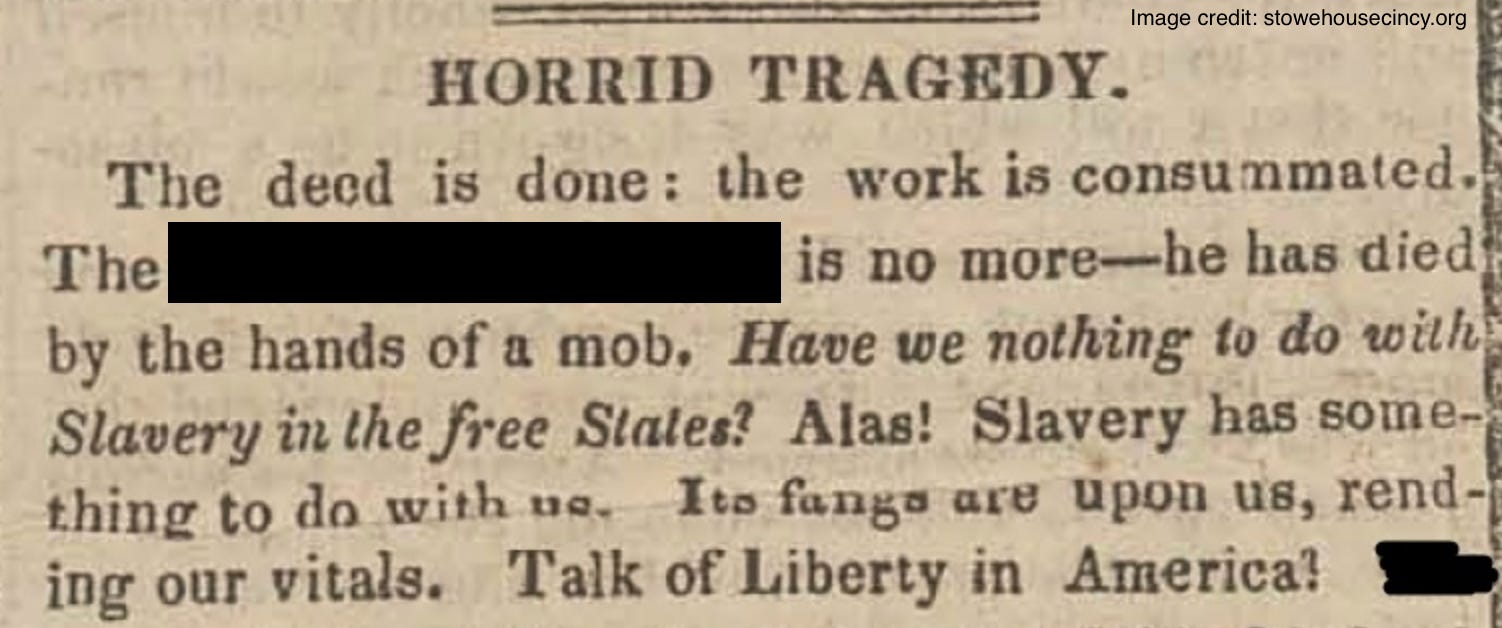
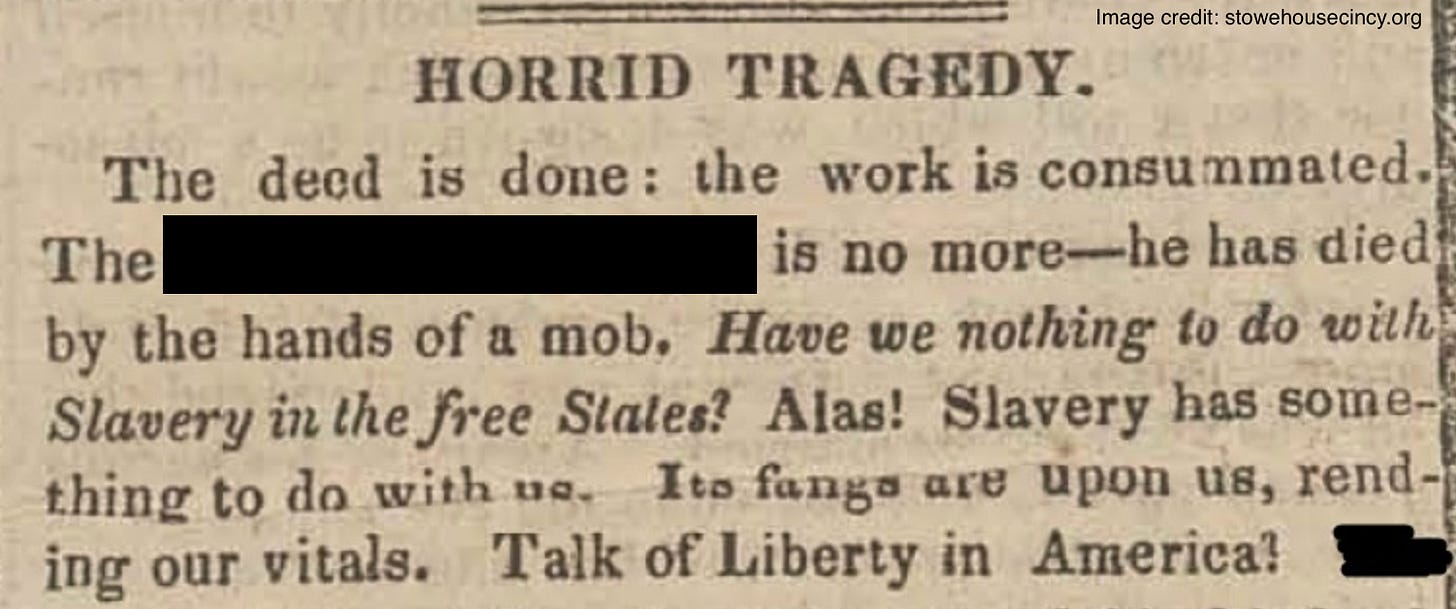
The attached and redacted newspaper article discusses the 1837 death of what person? Note that the article appeared in the Cincinnati Journal and Western Luminary, and not the Alton Observer.
The writer of the attached song, working alongside the Maytals, had said that its neologism initially referred to a “ragged” woman “who didn’t look so nice or she wasn’t dressed properly.” When he decided to make use of this word, he initially did it “as joke” - yet the resulting success of the song wound up inverting word’s prior meaning, instead making it something joyful, even spiritual. The song below asks you to “Do the” what?
The closing scene of a famous - or perhaps notorious - finale of a television program partly explains itself with the following line of dialogue:
I don't understand this autism thing, Pop. Here's my son, I talk to him, I don't even know if he can hear me. He sits there, all day long, in his own world, staring at that toy. What's he thinking about?
“Pop” is played by Norman Lloyd, and the son is played by Chad Allen. What actor - known up to that point as Donald Westphall on that program - was the speaker of the above line?
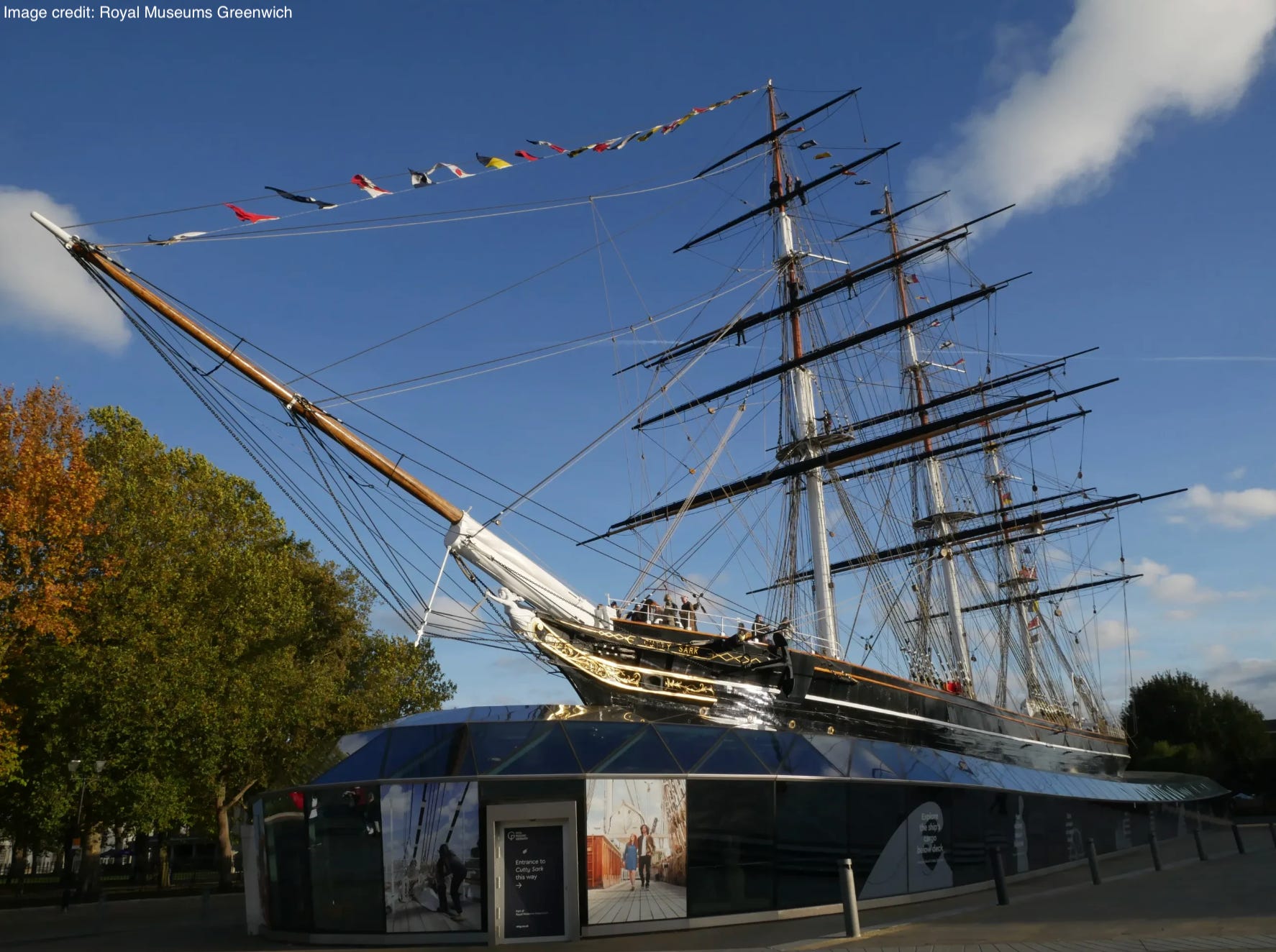
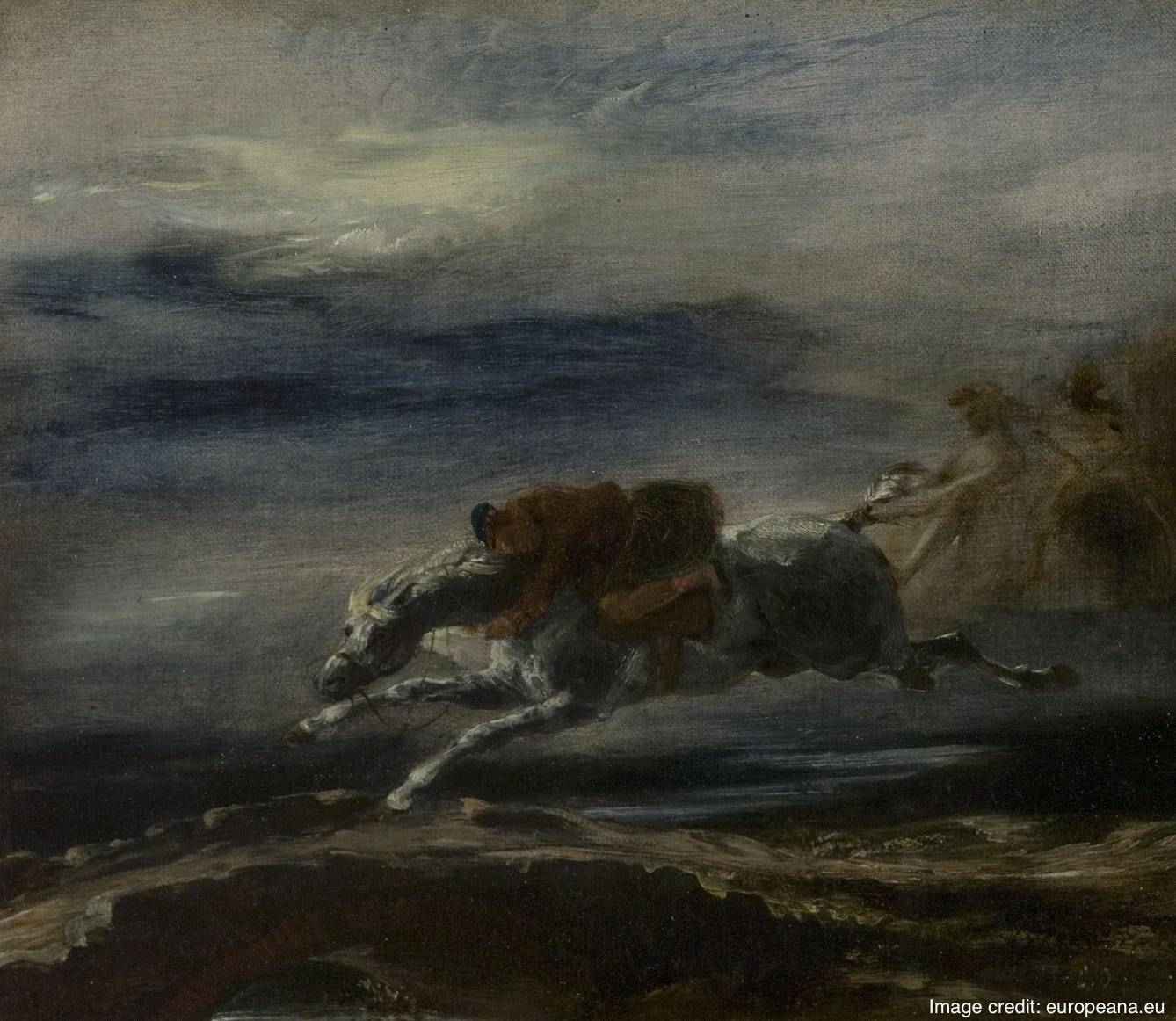
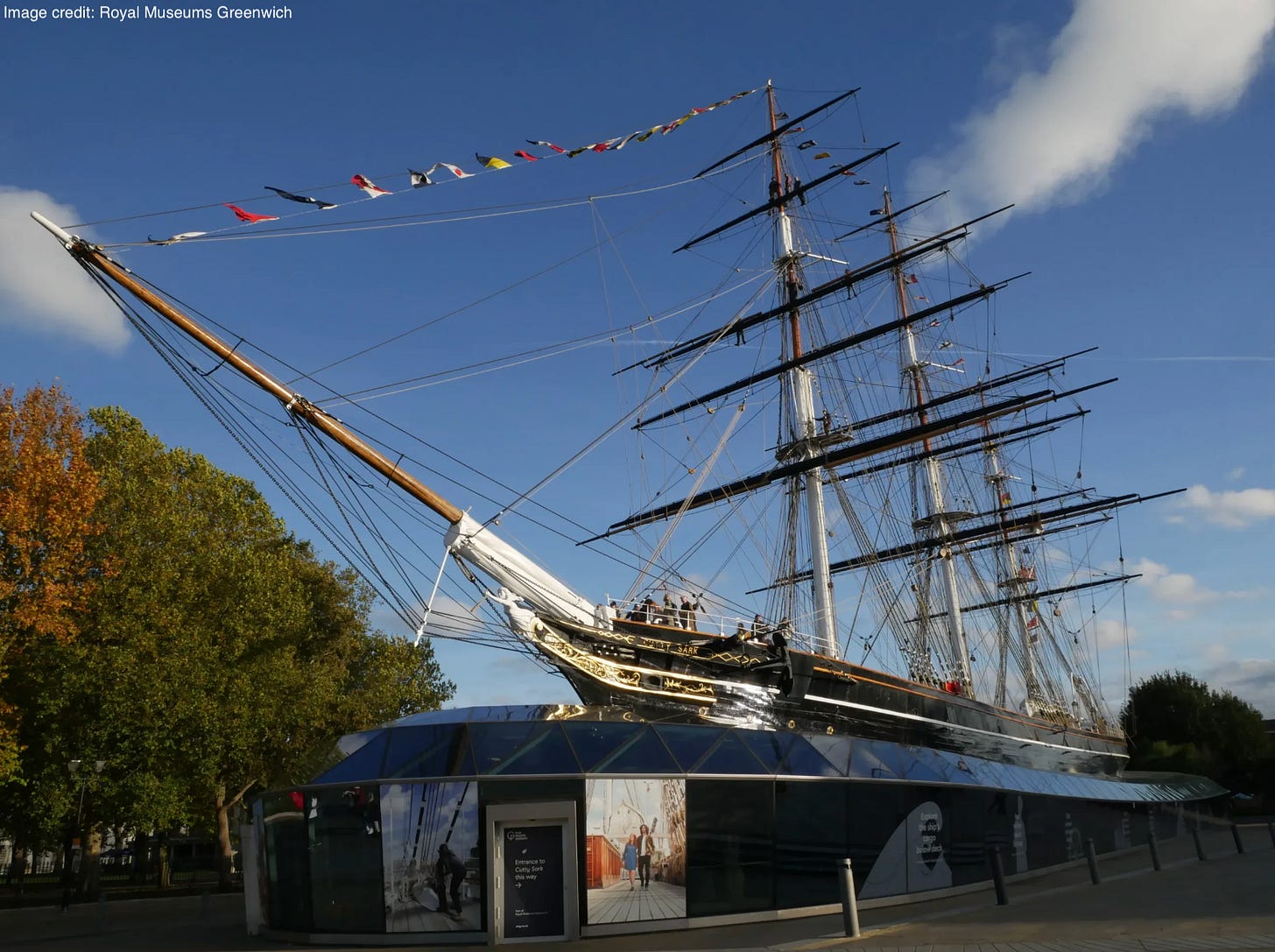
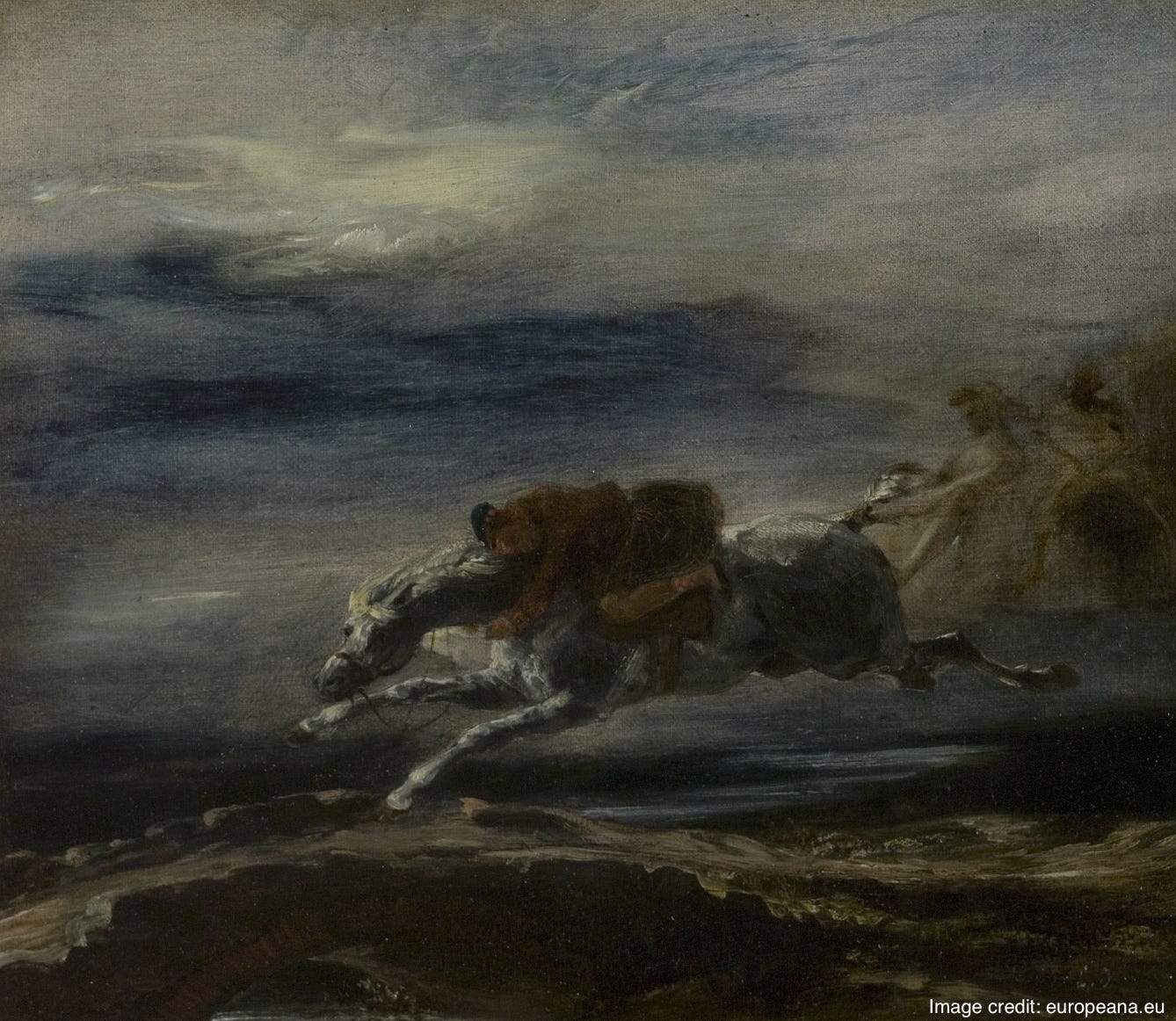
The ship shown first below is probably the most famous of the 19th century “tea clippers,” built to bring tea from China to Britain as quickly as possible, though its service in that role was short-lived, as the completion of Suez Canal the same month as its launch obviated the need for such ships that prioritized speed over size in the trade between Britain and Asia. The name of the ship was inspired by a particular poem, where that name was used as a phrase meaning “short skirt.” In that poem, that particular skirt was worn by a witch named Nannie, who could run so fast that she caught the poem’s title character as he attempted escape on horse, as depicted in the painting by Eugene Delacroix shown second below (one assumes that a longer skirt might have slowed her down). What poem - which would go on to lend its name to a completely different article of clothing - inspired the name of that famous ship?
This man first introduced his most famous distinction at a 1994 conference in Tucson, with that work explained in more detail in a 1995 paper titled “Facing up to the problem of consciousness.” It was at that 1994 conference where he discussed how our attempts to understand how the processes in our brain give rise to our external behavior and inner thoughts is the “easy problem of consciousness,” while asserting that the true “hard problem of consciousness” was understanding why the activities of the brain are accompanied by experience at all. Who is this Australian philosopher and cognitive scientist?
The 1999 motion picture Anywhere But Here is one of the early starring screen roles for Natalie Portman, with her acting opposite Susan Sarandon as a daughter struggling to meet the expectations of her mother as the two of them start their lives over in Beverly Hills. That film was based on a novel of the same name by what writer? This author is also known for other novels, like Off Keck Road, but arguably she is just as well known for being the biological sister of Steve Jobs, who was put up for adoption by their parents prior to her birth.
Lincoln Steffens appreciated this man’s aggressive approach, saying that this man “was a flower that did not sit and wait for the bees to come and take his honey and leave their seeds. He flew forth to find and rob the bees.” That is not to imply that he was one of the robber barons of his day - quite the opposite, as this man’s assemblage of writers like Steffens, Ida Tarbell, and Ray Stannard Baker made this man’s namesake magazine the vanguard of muckraking. What editor?
At this point, winning the “Triple Crown of Acting” is rarer than winning the EGOT, with only 24 actors accomplishing that feat, and with 28 people up to this point having won the EGOT. The accomplishment is defined by having won at least one of each of the Tony, Primetime Emmy, and Academy Awards. Which actor completed his Triple Crown when he won a Primetime Emmy in 1975 for his work as a Supporting Actor on the variety show Cher? He would add on another Emmy the following year for Outstanding Lead Actor in a Comedy Series for his portrayal of Ed Brown (one half of a title duo), with his Tony and Academy Awards wins coming earlier in his career, from his work a father figure in a work originally written for the stage by Frank D. Gilroy.
Probably the most famous novel written by Bengali author Bibhutibhushan Bandyopadhyay was published in complete form in 1929. In translation, its title means “Song of the Little Road,” and much of the book actually focuses on Harihar Roy, the head of his family, as he struggles to provide for that family while pursuing his own dreams in rural Bengal. Despite that initial focus, the novel is narrated by the youngest member of that family, Apu, with the sense that the plot will focus more closely on him for stories to come when, at the novel’s end, the entire family moves to modern-day Varanasi to begin a new life. What is the name of this novel?
The “English Riviera” is a byname for a collection of towns and associated resorts located along the coast of Devon. Among those seaside towns are Paignton and Brixham, with what town of about 65,000 being the largest city in the area? Some of the sketches for Monty Python’s Flying Circus were filmed in this town, with John Cleese’s experiences dealing with a local business establishment during that time going on to serve as the inspiration for future comedic material by him.