June 4
Quick Hits
Questions
A visit to Japan means that it is very likely that you will encounter the shown kind of food - a ball of rice shaped into a form like a triangle, so as to make it portable, with various ingredients, such as vegetables and fish, then added. Derived from a Japanese verb meaning “to grasp,” what is the name of this food? While it seems uniquely suited to modern life (as the second photo, taken from a Japanese 7-Eleven, would suggest), archaeologists have uncovered evidence that people living during Japan’s Yayoi period (300 BC to AD 300) ate something similar.


First and last name required. Carolina Hurricane center Jordan Staal just had a very good week, with his team winning the Stanley Cup and with him being awarded the Conn Smythe Trophy as part of that. Additionally, he set an interesting record when scored a goal in Game One of the Stanley Cup Finals. Prior to that goal, his last goal scored in a Stanley Cup Final came in Game Four of the 2009 Cup - some 6,202 days earlier, when Staal played for the Pittsburgh Penguins. With that goal, he broke the record for most elapsed time between two goals in the Stanley Cup Finals. Staal broke the record held by what person? A period of 6,198 days separates goals that this man scored in Stanley Cup Final games, with the first of those goals coming for the Hurricanes in the 2006 Stanley Cup Finals, and the last occurring while this man played for the Florida Panthers in the 2023 Stanley Cup Finals.
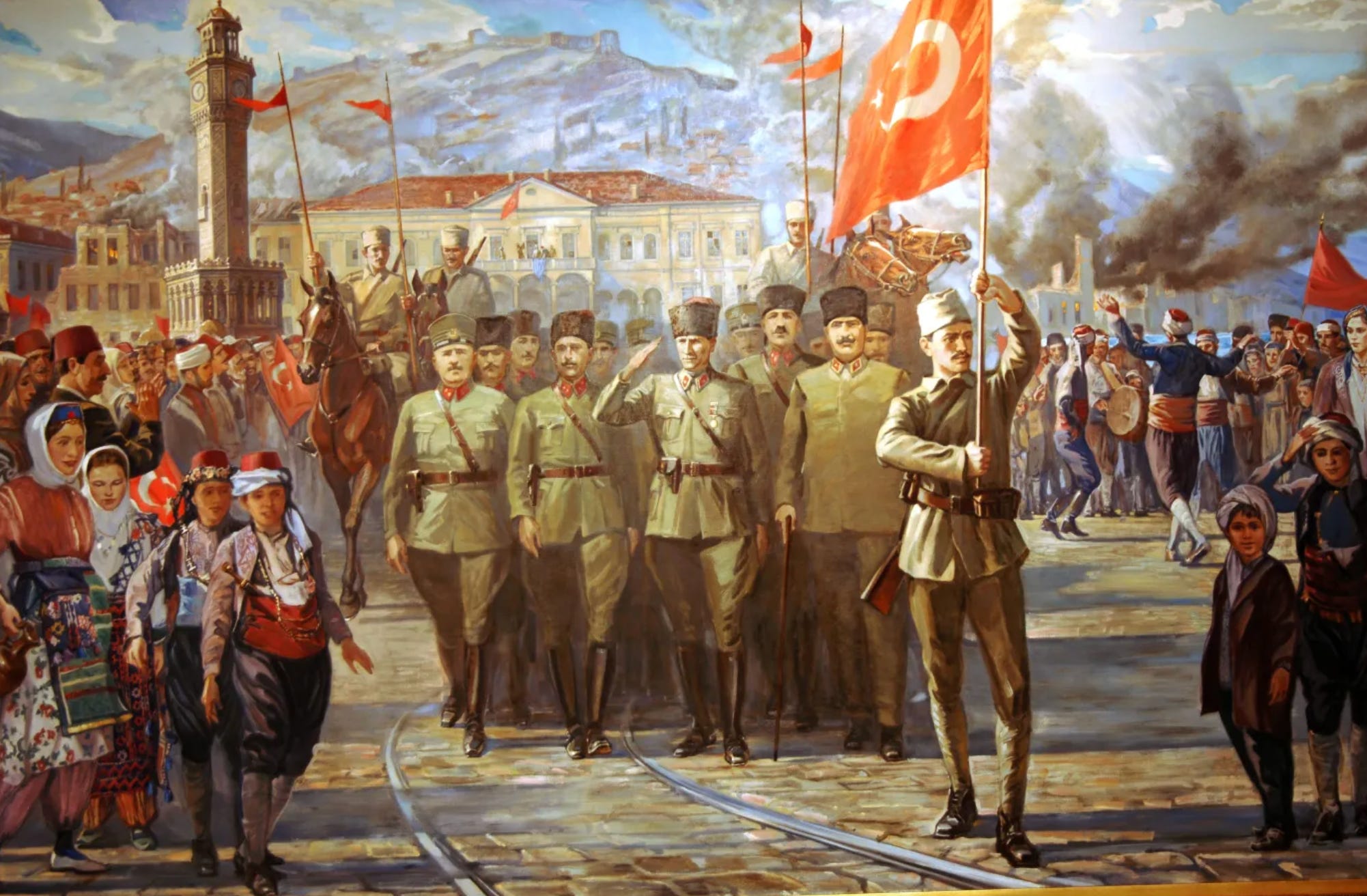
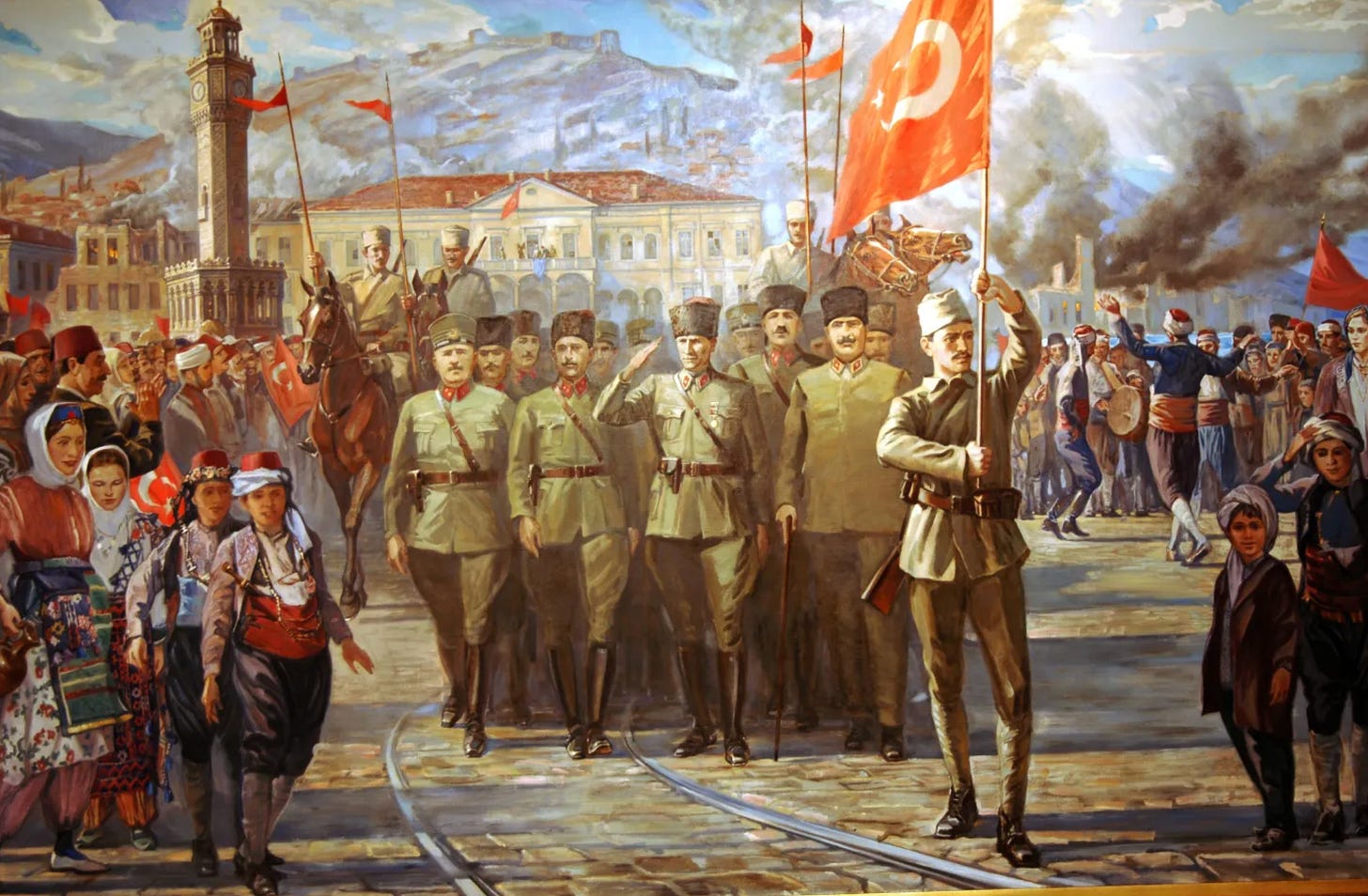
Stop me if you have heard this one before: a great power finds itself embroiled in a crisis in the Middle East, with control of a strait being a crucial issue of contention. Domestically, there is little support for the country to launch a major war, and there is even less support for the country to do so amongst its traditional allies. I am, of course, talking about what September 1922 crisis, where Great Britain found itself forced to make major concessions to the government of Turkey regarding what had been Greek-designated territory under international protection? While ultimately at issue was control of Istanbul, the crisis gets its name for a location on the Dardanelles where British troops were encamped, with the approach of Turkish forces upon that city prompting a call for the British to strike first to preserve what previously had been agreed upon in the Treaty of Sèvres. Instead, the British backed down, with the main consequence domestically being the collapse of David Lloyd George’s government, and the major consequences internationally being the confirmation of the previous Turkish conquest of Smyrna (today called Izmir, and shown), the Turkish seizure of Istanbul, and the expulsion (once again) of Greece from the eastern coast of the Aegean Sea.
Homing pigeons really do have the ability to navigate, but for many years, it was a mystery as to how they accomplished such a feat. In particular, they seemed to demonstrate the same skill despite overcast skies or other weather conditions that seemingly would prevent these birds from using some kind of point of reference to navigate. A May 2026 article in Science by Clivia Lisowski et al. provides important additional clues. In the article, it is noted that if particular cells are depleted from a pigeon’s liver, that pigeon loses the ability to navigate home. What are these cells called? Sometimes called stellate macrophages, they are named for the Baltic German anatomist who first isolated them in 1876. These particular macrophages are unique in that, while they can perform immune system functions like other macrophages do, they also engage in phagocytosis of iron residual from the breaking down of hemoglobin from the body’s degraded red blood cells. In the case of pigeons, the iron inside these cells crystalizes into an oxide with superparamagnetic qualities that will then align with the Earth’s magnetic field - which in conjunction with the well-innervated livers of these birds gives them a sense of their position in space, and thus their ability to home.
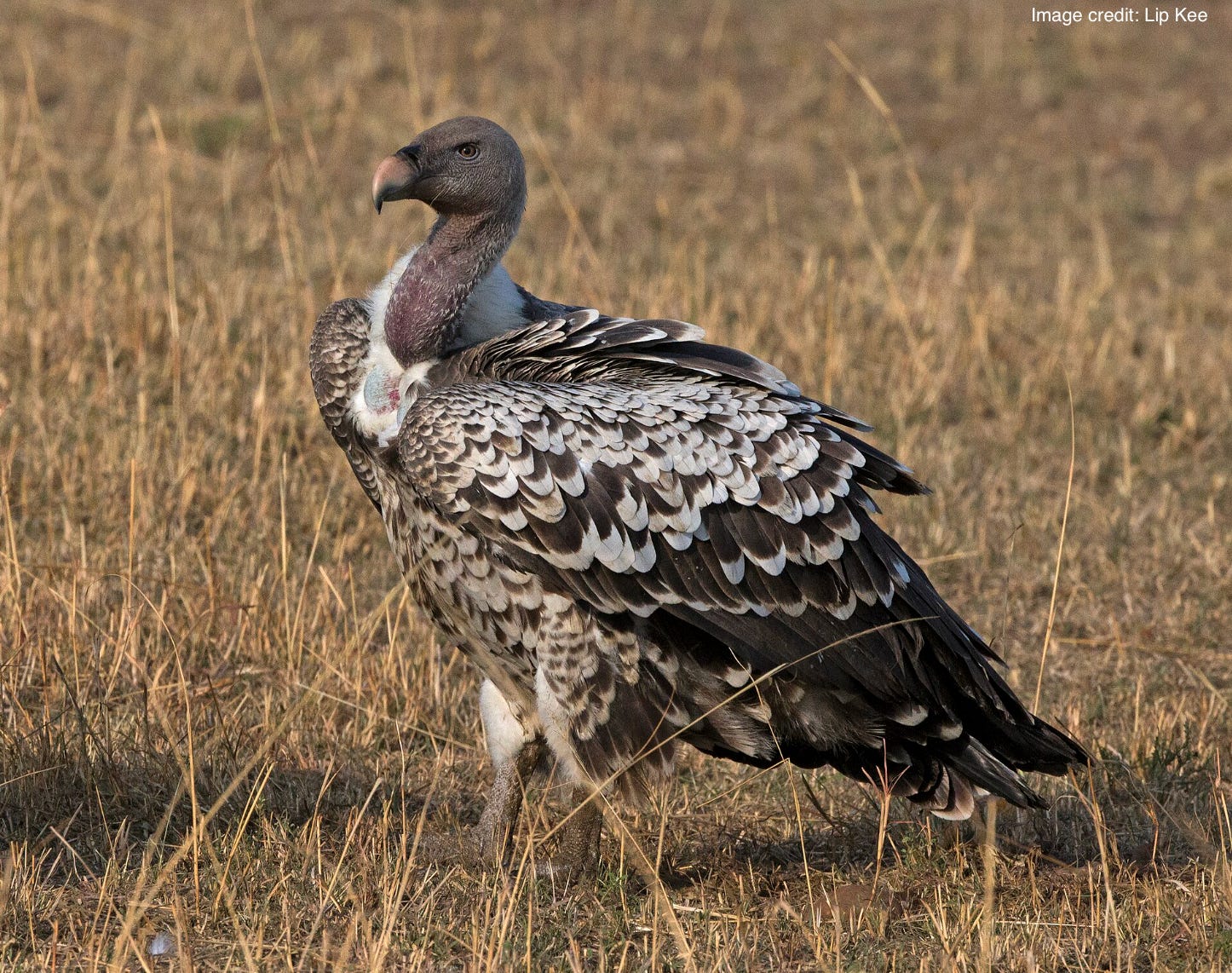
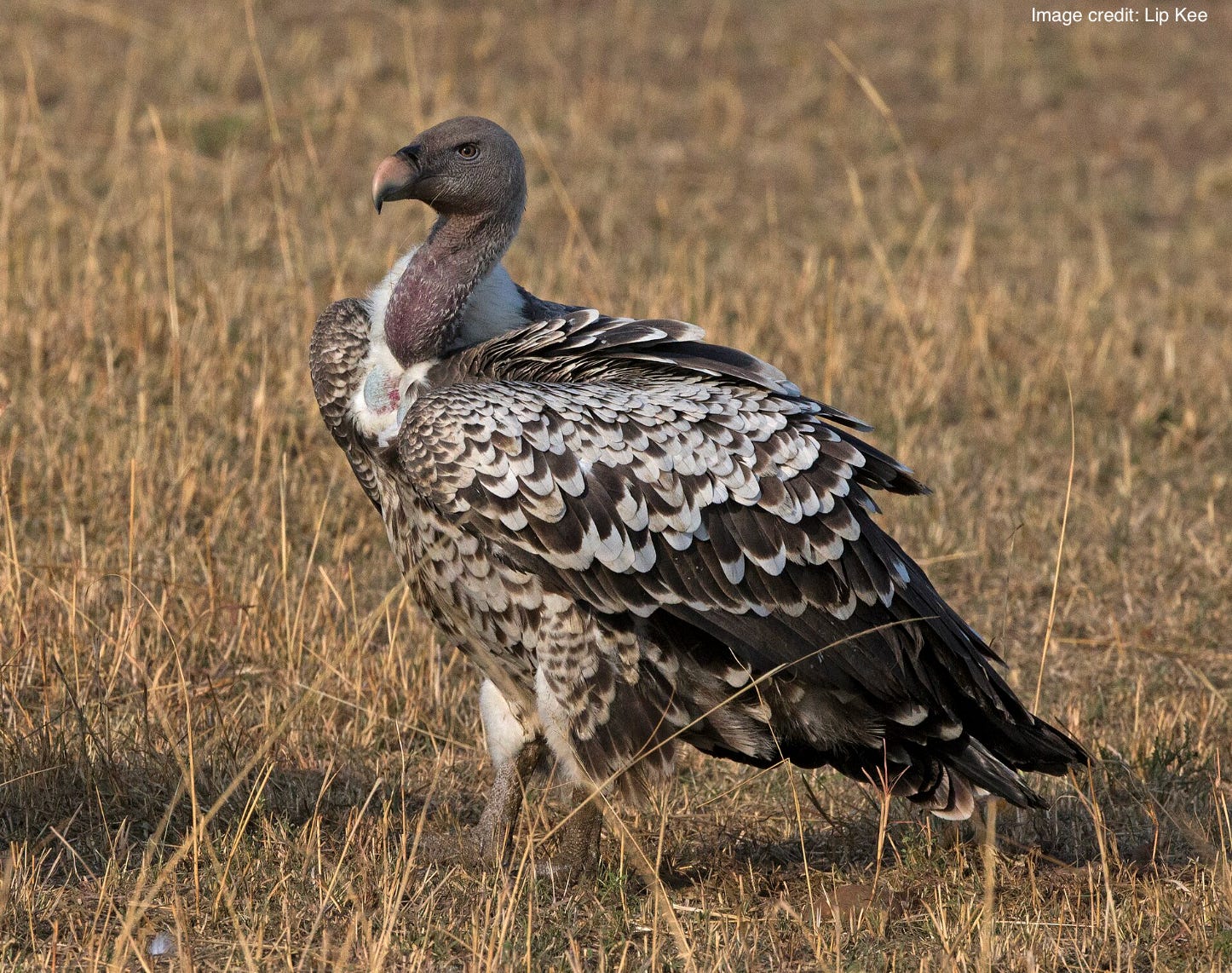
Many moons ago, I mentioned the bar-headed goose, which some argue is the highest-flying bird in the world, based on its ability to fly over the Himalayan mountains as part of its migration. Another contender for highest-flying bird is what bird of prey (shown), here found in the more terrestrial setting of the Masai Mara? A grisly example pointing toward this bird’s exceptional flying ability occurred in 1973, when one of these birds flew into the engine of an Air Ivory Coast commercial airliner flying at 37,000 feet - fortunately with only the bird being a fatality from that episode. The second photo does not show the typical prey of this bird, but a kind of namesake.

A performer born with the name William Michael Albert Broad needed a stage name, and fast, for purposes of an article to be written about him in a London magazine. He recalled a comment on a report card that his chemistry teacher Bill Price made about him, suggesting that this man was a lazy student. This man thought that might work as the basis of a stage name, but he also was worried that he would be confused with a member of a well-known comedy troupe if he kept the original spelling. What name did this man settle on, both for that magazine article and for the rest of his career?
The recent Met Gala’s theme was “Costume Art,” with the organizers prompting attendees to dress in a way to recall works of art that they admired. Below is Angela Bassett appearing in a Prabal Gurung-designed dress inspired by the painting Girl in Pink Dress, appropriately on display currently at the Metropolitan Museum of Art. That painting (shown second) was created by what Philadelphia-based artist? She is probably best known for her portraits of figures from the Harlem Renaissance.


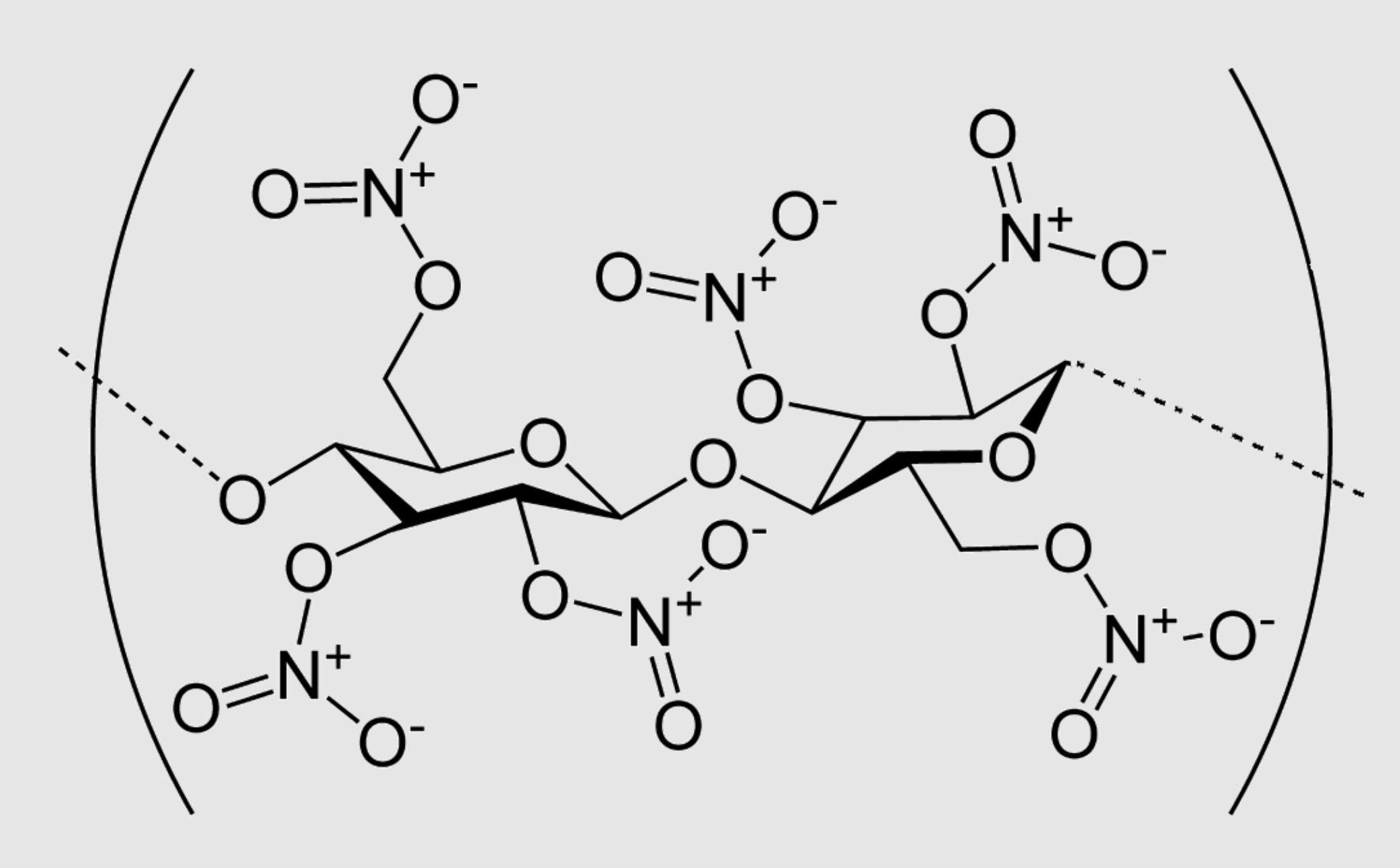
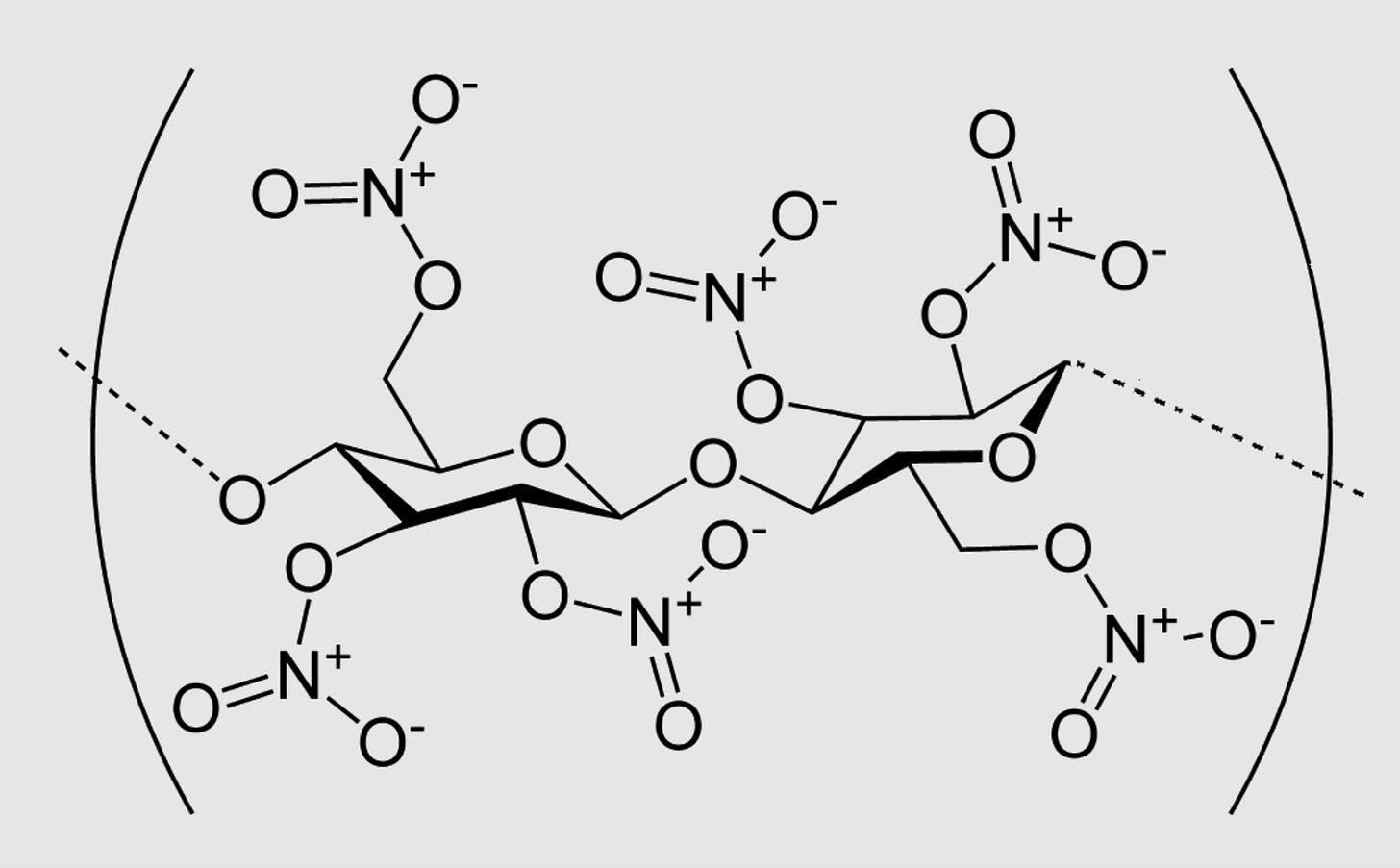
Shown is the skeletal structure of what polymer, created by treating its base substance with nitric acid and sulfuric acid? While other had experimented with something similar, this substance was first isolated in 1846, in a story beginning when Christian Friedrich Schönbein cleaned up a spill of those acids using his apron. He placed the apron on the door of his stove to dry - only to have the apron flash and catch fire as soon as it had finished drying. Not only does that story point toward what the primary practical application of this substance is, but it also hints at the common name by which this substance is regularly known today.
The Successor is a recent work of nonfiction (a portion of its cover is shown below) by journalist Mikhail Fishman. The book is about the life of what person (1959-2015)? Mathias Rust landed his plane very near the location where this man died.

The following quote is from what work?
Before the Americans could go inside, their only English-speaking guard told them to memorize their simple address, in case they got lost in the big city. Their address was this: ‘Schlachthof-fünf.’