July 3
Quick Hits
Howdy. Probably my last post for the month of July, as I start vacation soon. However, I’ve completed my set of questions for Trivia Nationals. Once that event is completed, I’ll post them here. Those will be about eight days’ worth of questions by themselves. I very much enjoyed writing the set and I think that they will be worth your while.
I also tossed an eleventh question in today. It’s about something that I asked about long ago, but I felt an approach that paired it with another question here was too irresistible for me to ignore.
Questions
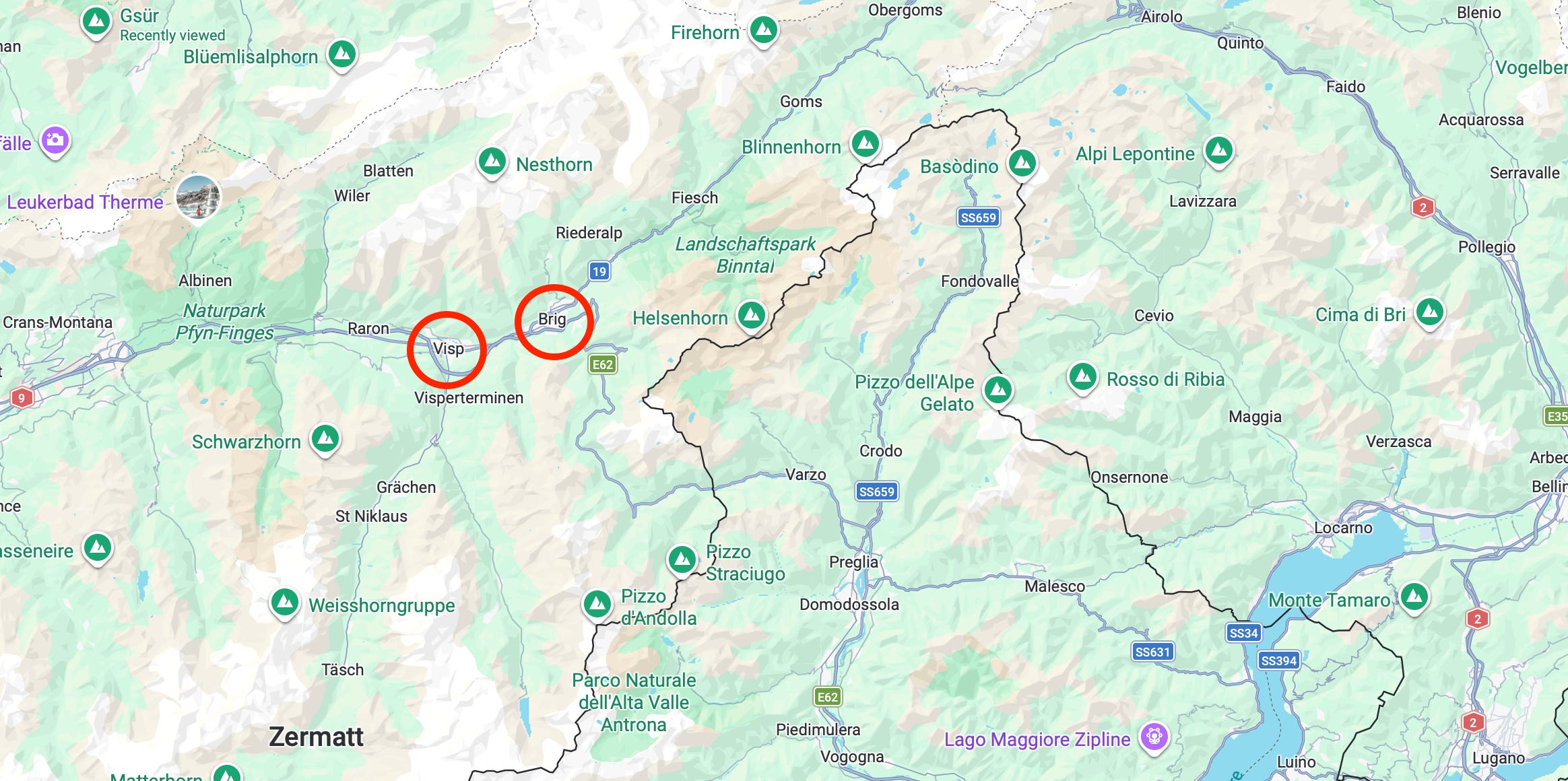
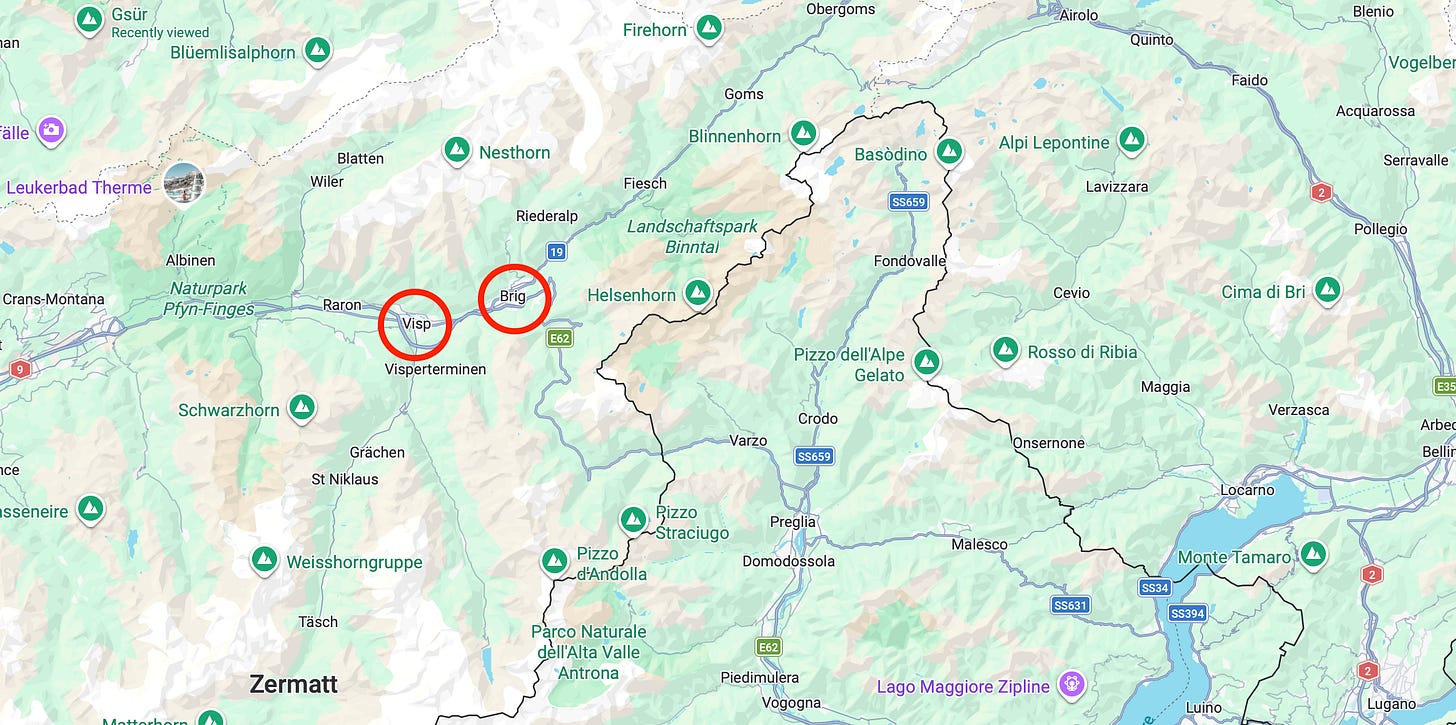
The map below has two locations highlighted. The lefthand location is where one person was born on March 10, 1936, while the righthand location shows where another person was born on March 23, 1970. The younger person succeeded the older person in a notable position, but they are not related. What two people are being discussed?
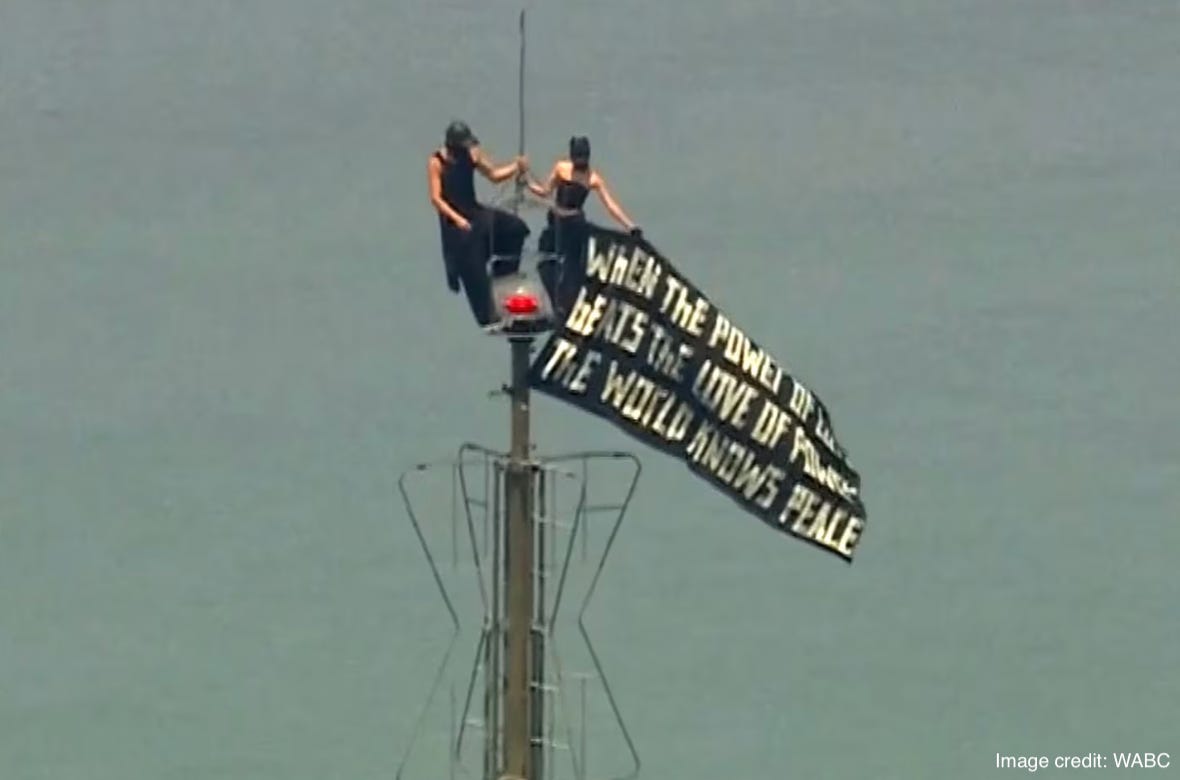
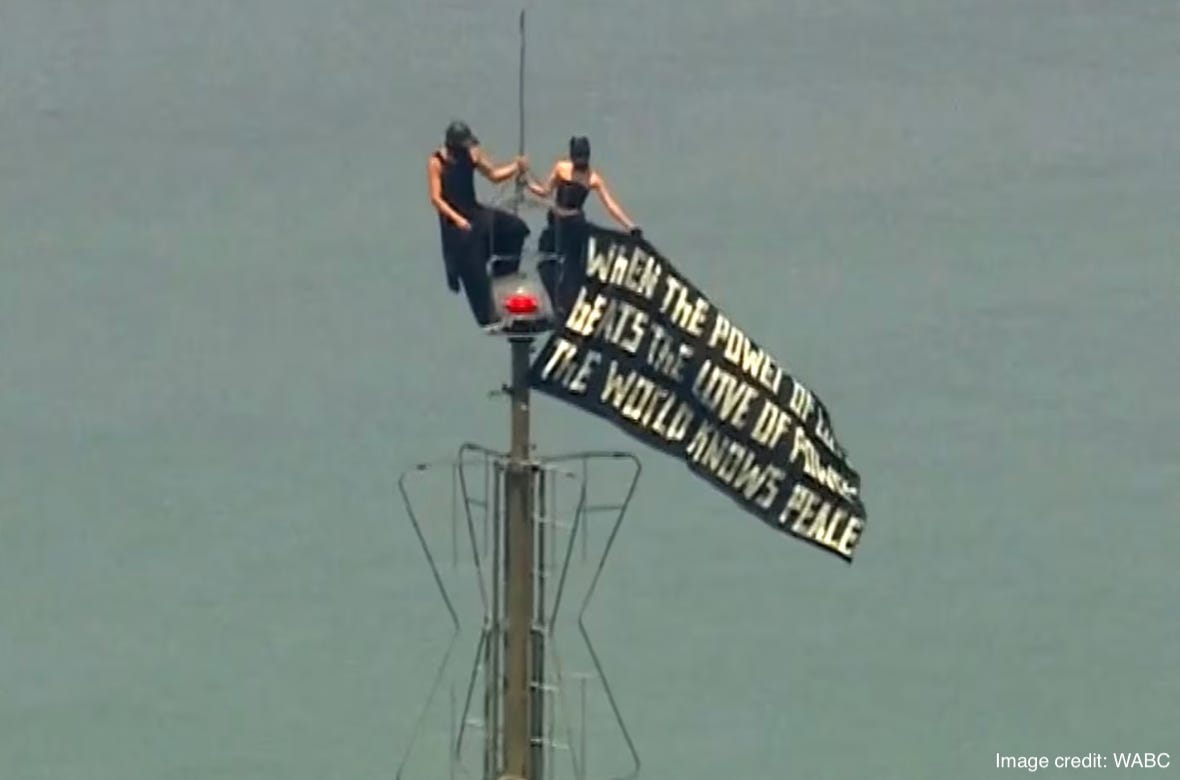
Angela Nikolau and Ivan Beerkus made the news in July 2026 with their staged marriage proposal atop the Empire State Building (shown). After scaling the building’s spire, these “rooftoppers” unfurled a flag that read, “When the power of love beats the love of power the world knows peace.” The couple have a long history of urban daredevil stunts, such as a 2022 ascent of Kuala Lumpur’s Merdeka 118, as previously chronicled in what 2024 documentary? Despite the film’s one word title, Shmi and Luke do not make an appearance in it.
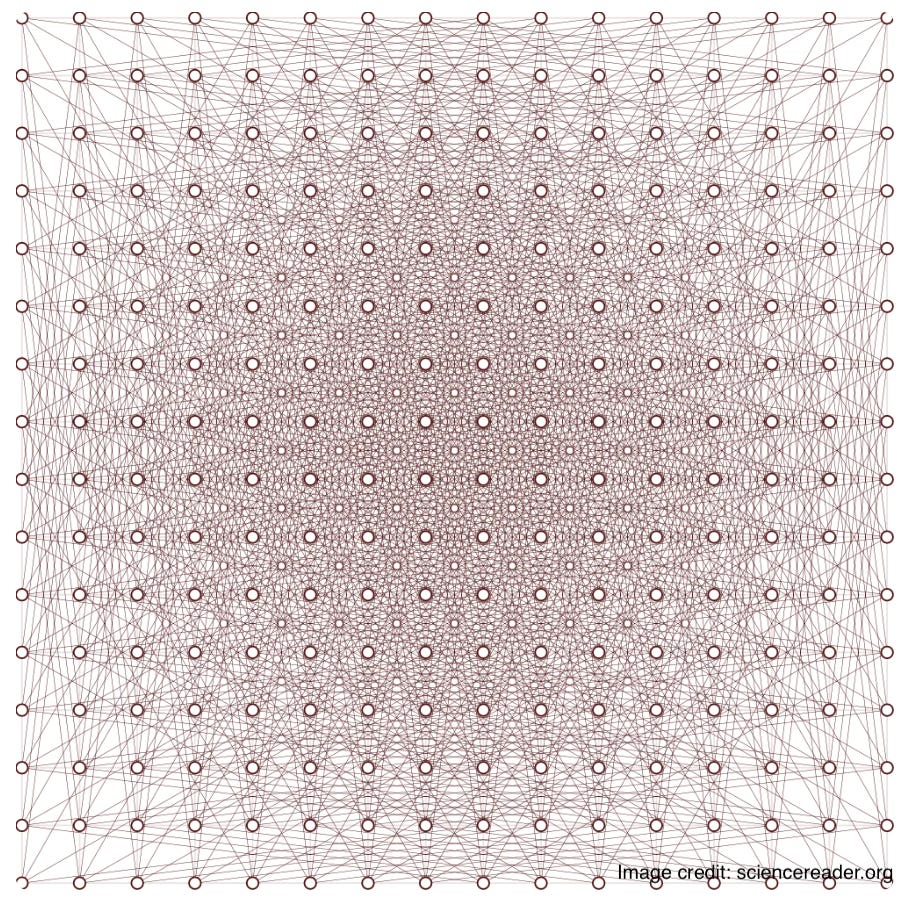
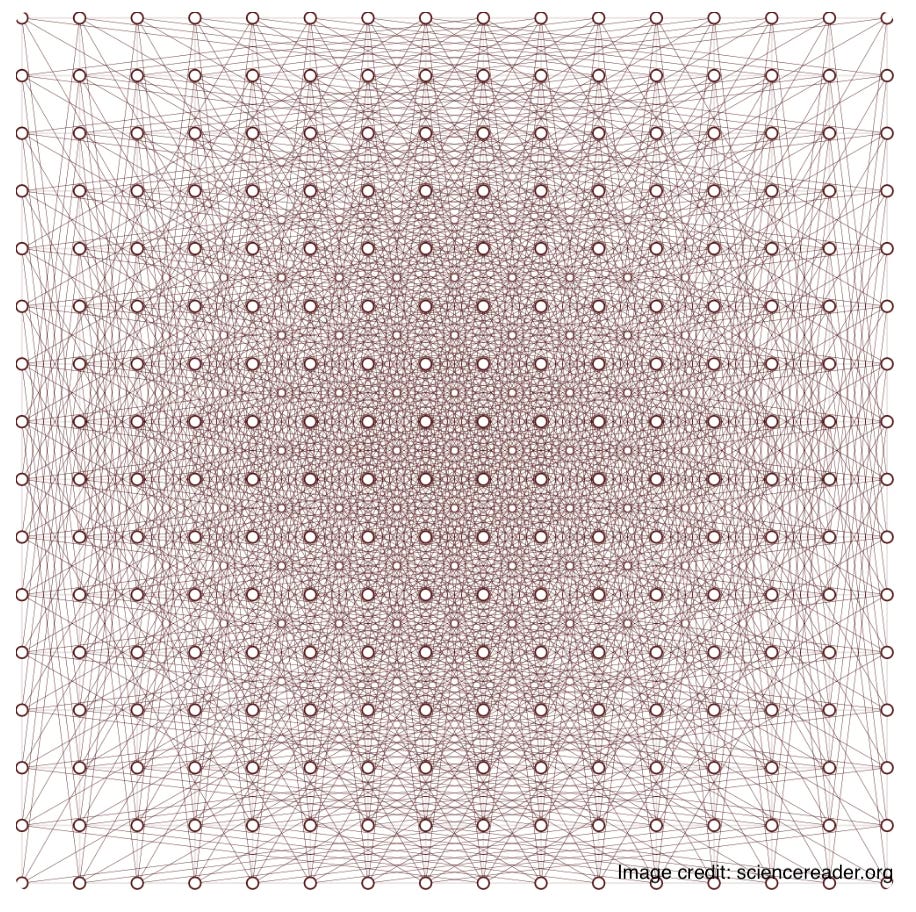
“Place any number of dots on a flat surface. How many pairs of dots can be exactly one unit apart from each other?” is a succinct way of asking what is called the planar unit distance problem. Its author, when he proposed it in 1946, thought that a specific kind of grid - like the one shown below - would create the most pairs, as opposed to alternatives like a lattice. Which mathematician proposed the planar unit distance problem, along with that solution? For years, other mathematicians deferred to his judgment, in part because few were willing to start with the assumption that this man could be wrong, and in part because much potentially fruitless work was required to investigate the question. In May 2026, OpenAI announced that they had disproved this man’s conjecture, determining that a lattice derived from algebraic number theory satisfied his question better. Aside from the astounding achievement of using artificial intelligence to create a new mathematical proof, the news was a vindication for OpenAI for other reasons, as the previous year they had announced that their GPT-5 had solved ten of this person’s problems, when in actuality it had just recompiled proofs previously developed by human mathematicians.
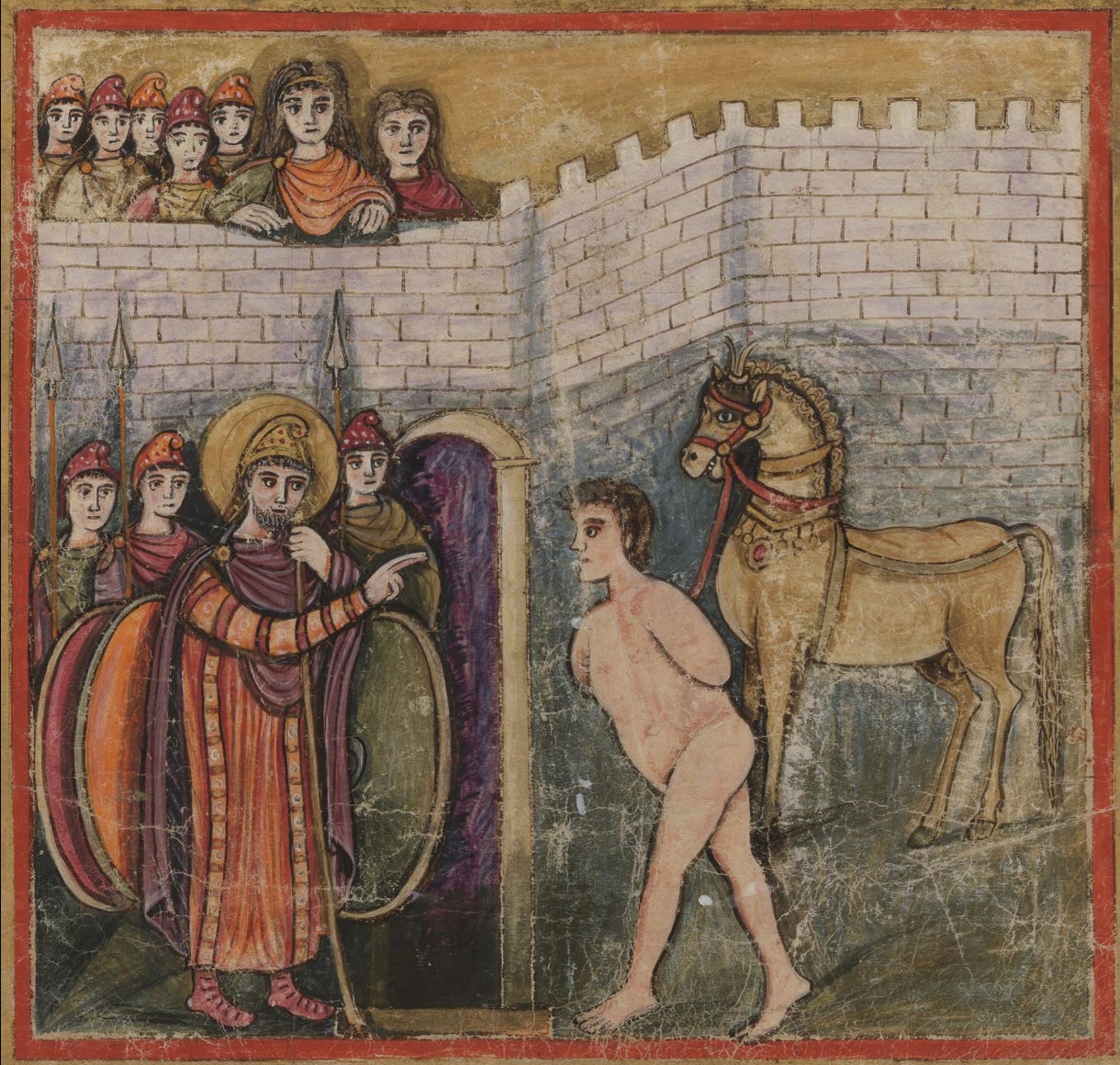
Normandy for a brief time was united with the English crown, but that was not because William the Conqueror necessarily wanted it to be that way. While Normandy would be under control of the English crown during the reign of rulers like King Henry II, when William died, he actually assigned the Duchy of Normandy to his eldest son, while giving his English lands to William Rufus, his second oldest son. Unsurprisingly, the arrangement did not last very long, as this eldest son attempted to war with William Rufus to secure lands that he thought should have been his in the first place. This eldest son is known by what name? It is thought that his byname was meant to be derogatory - possibly given to him by his father - so it not a reference to a particular style of legwear that he favored. That epithet should be part of your answer.
The clip below (audio credit: CBS/Columbia), taken from the Adam Ant song “Strip,” cuts off just before what four words are said? In a literary context, these words become a phrase that titles a 1967 farce featuring adultery, cross-dressing, and Winston Churchill’s bronze penis. But the phrase had a popular use well before that, as it also titled a voyeuristic “mutoscopic reel” from the early 20th century. That early work of filmed erotica depicted a woman undressing, with you the viewer watching her do so as if looking through a keyhole. Going back even further, that film took that title from an infamous divorce trial from 1886 that hinged on whether a particular person plausibly could have spied through the keyhole to witness the adulterous affair that Gertrude Blood, Lady Campbell was said to be conducting with a firefighter.
While we are finding literary references in British New Wave hits: what four words finish the line below, taken from “West End Girls” by the Pet Shop Boys (audio credit: Parlophone)? The phrase is known to students of literature thanks to a work of literary criticism published in 1940 - which was poor timing “for a book whose hero is Vladimir Lenin.” The directionality implied by the title of that work was meant to suggest not only the completion of a real life journey, but also how a particular arrival represented the culmination of revolutionary Marxist thought in the West.
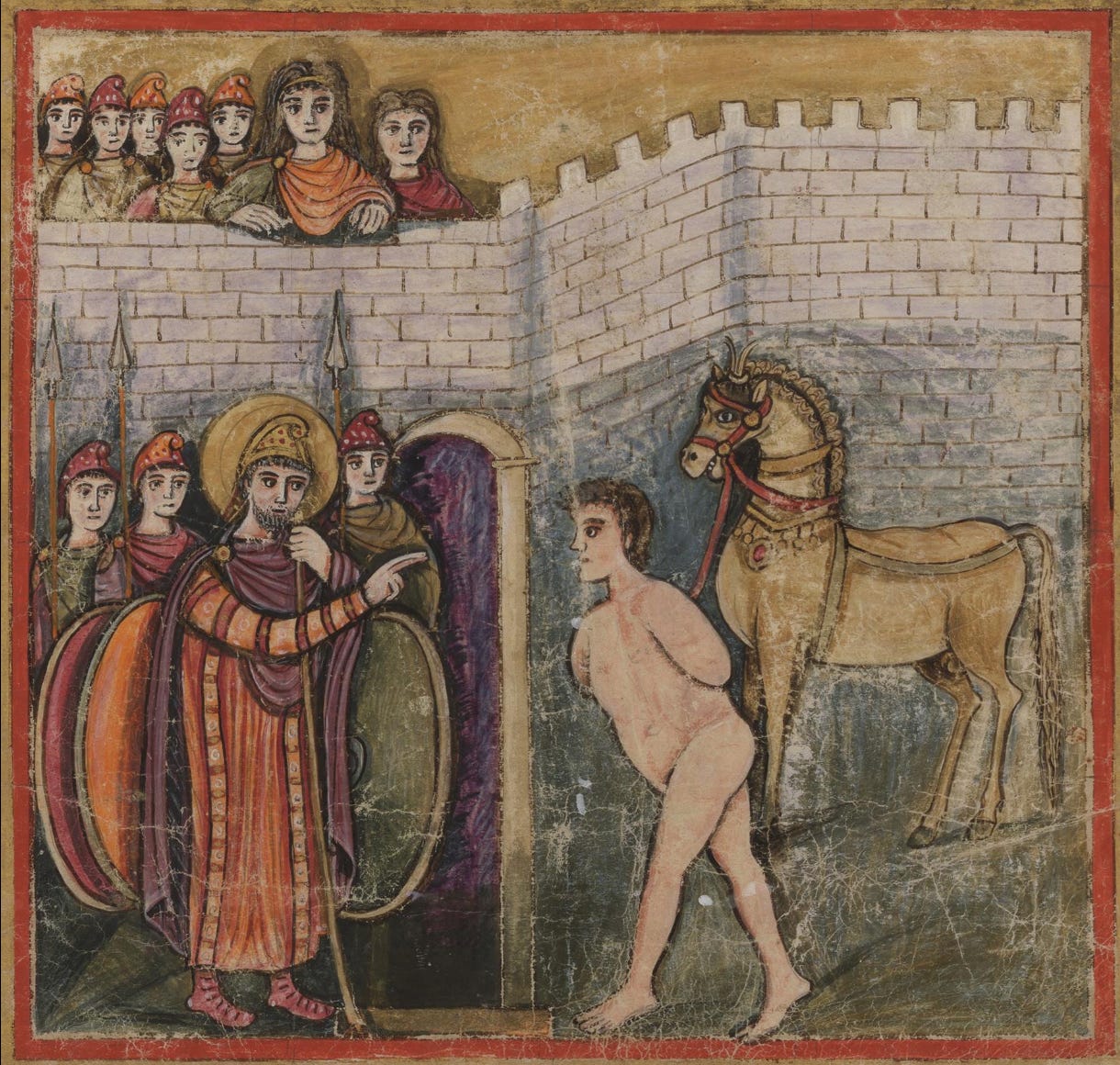
While this character - or really, the actor portraying him - has been in the news as of late, he doesn’t even appear in Homer’s Odyssey. What character does Elliot Page portray in Christopher Nolan’s The Odyssey? Different authors provide different stories for this character, but they generally agree that this person was left behind when the Greeks pretended to leave the coast of Ilium. Virgil, in the Aeneid, provides the most famous recounting, as he says that this man told the Trojans that he had deserted the Greeks, with the Trojan Horse having been left behind incidentally, as a gift to the gods so as to ensure safe passage home. The Trojans took this man at his word and… well, go see the movie.
Online wags have used programs such as Pangram to argue that significant portions of what work, ironically, are AI-generated? Daniel Filan, for example, has argued that several stylistic choices - like the use of the em dash and the multiple instances of the word “genuine” - indicate that AI generated this text, with Filan proffering a section of the introduction that begins the analogy of comparing the construction of the Tower of Babel to Nehemiah’s project to rebuild Jerusalem as one such example. Its official author has stated that he consulted with certain experts, like Anthropic’s Chris Olah, while compiling this work, but ultimately the work is a creation of his own hand with the help of his researchers.
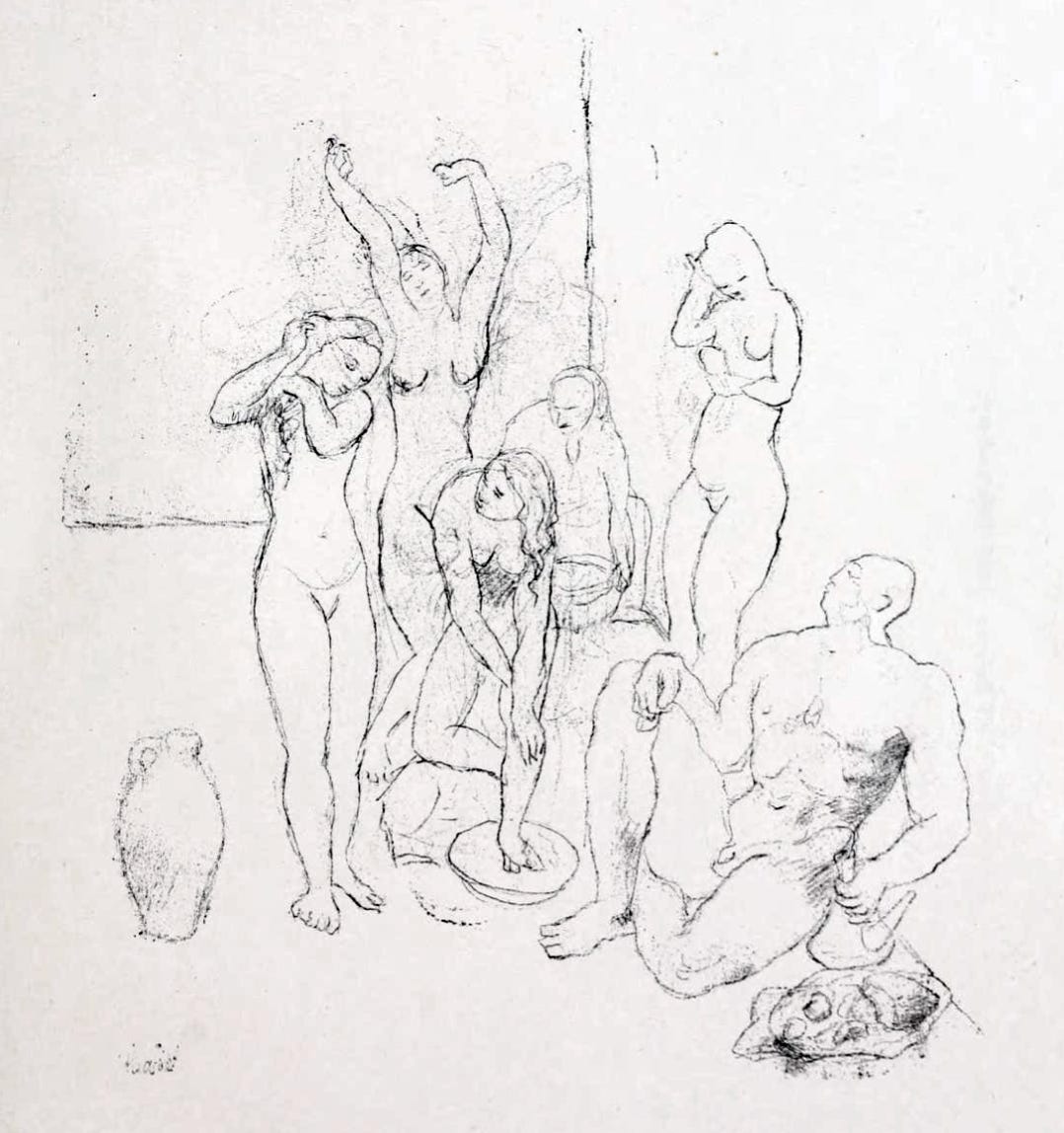
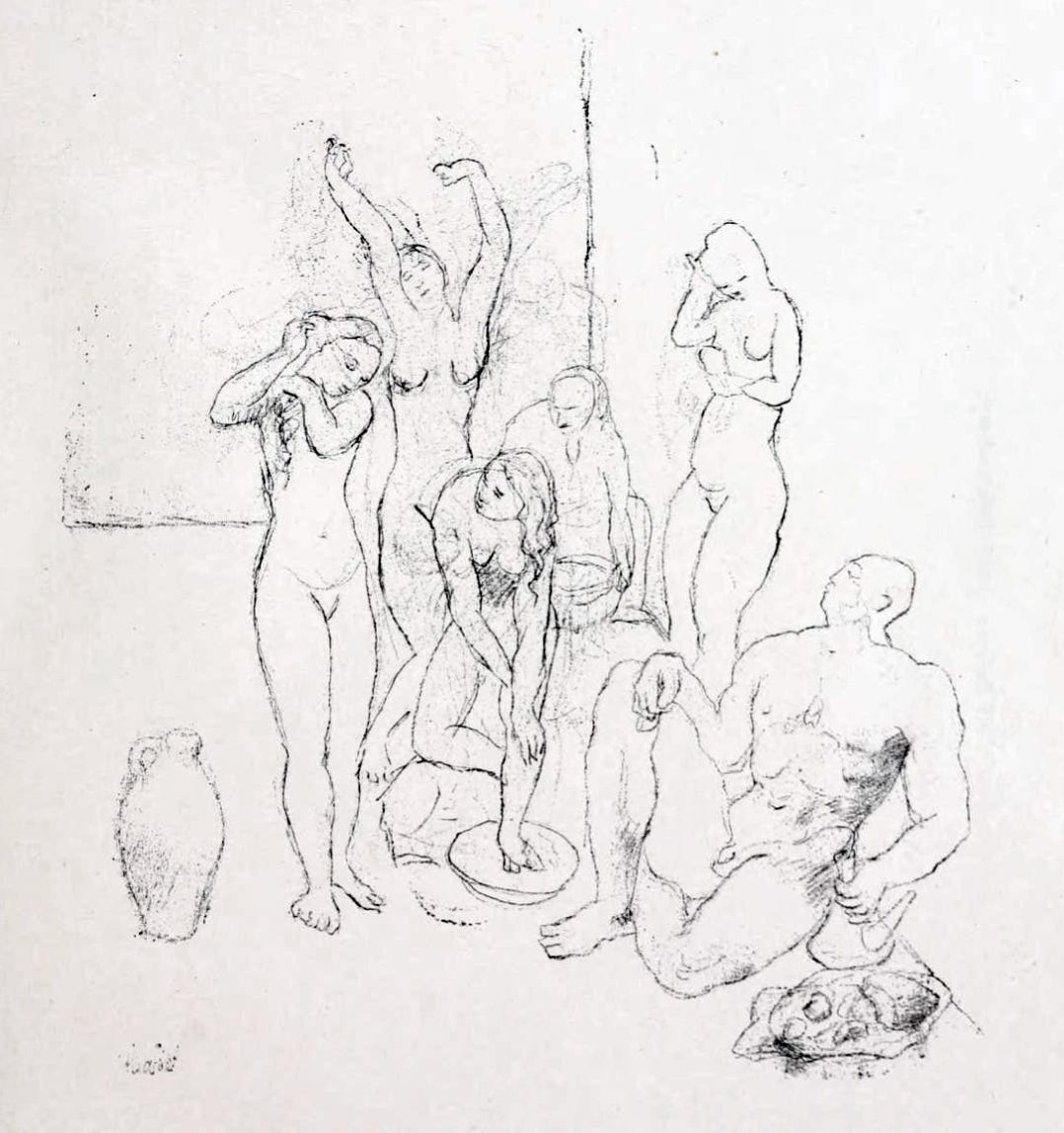
Last time we discussed the painting Les Demoiselles d’Avignon. The story behind its creation is interesting in itself, as among the influences that went into the final work was a then-unregarded painting owned by one of Picasso’s friends. This painting, found today at the Metropolitan Museum of Art, was purchased by Ignacio Zuloaga in 1897 for all of 1000 pesetas. What work of art is this? It is thought that the painting inspired Picasso’s finished work in at least three ways: first, through its themes, which included balancing the sacred with the profane; second, through the sense of drama that it conveyed, albeit in a more apocalyptic context in its case; and third, through its figurative structure, as the shown work sketched by Picasso as he was beginning to create Les Demoiselles would indicate.
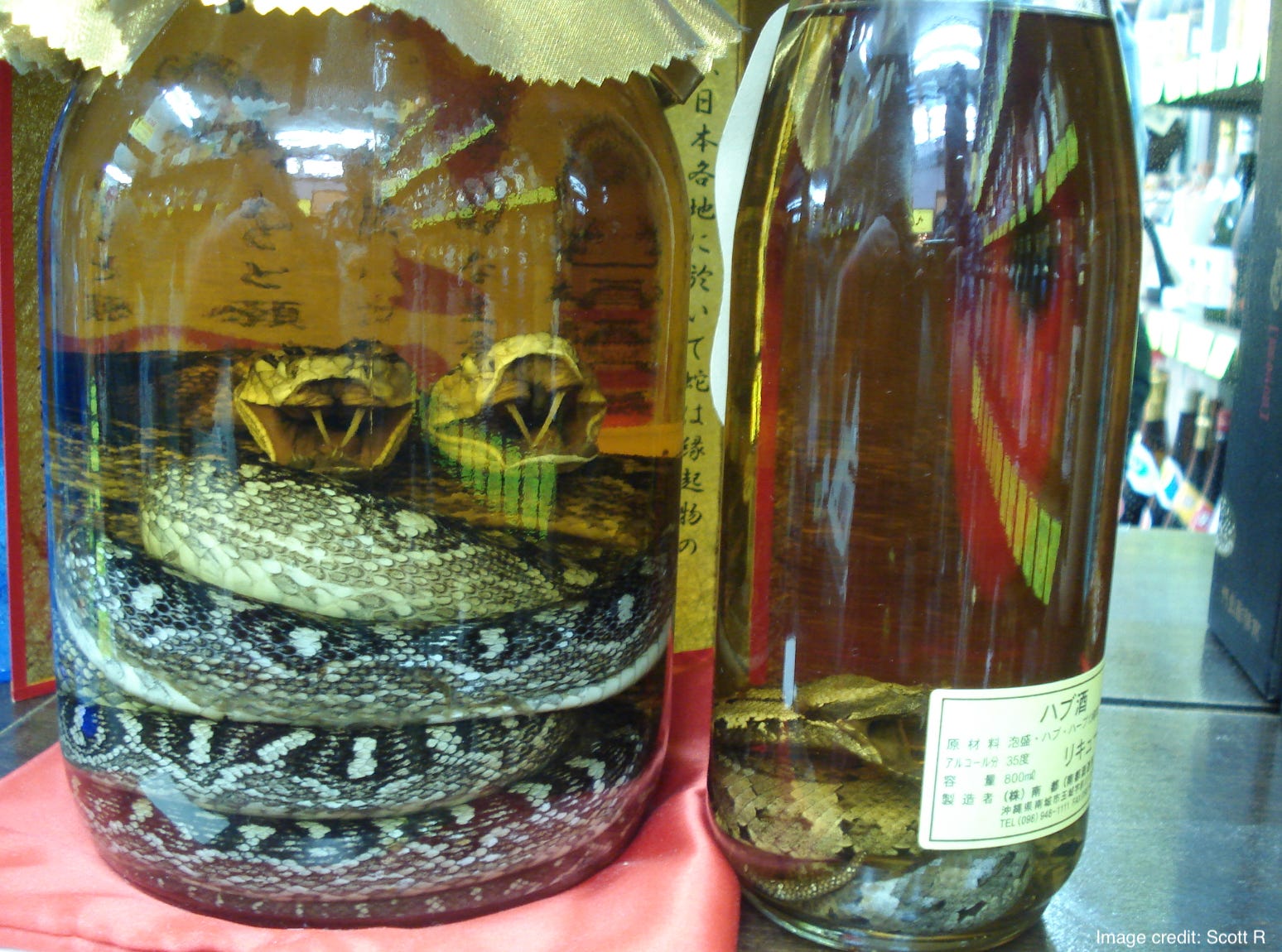
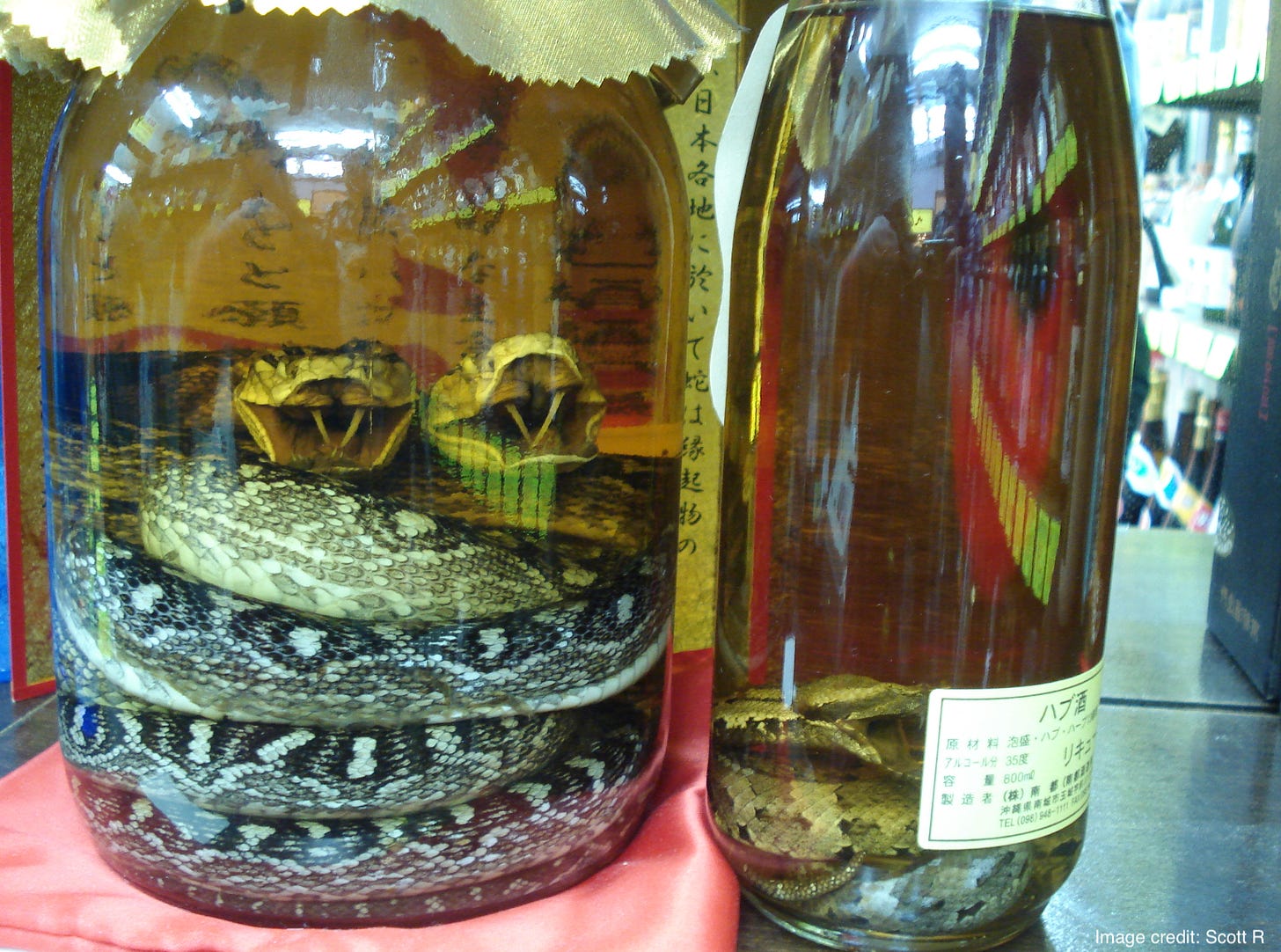
Next time you are in Okinawa, keep your eyes open for something like the bottle shown below (and feel free to bring me back one as a souvenir). The liquid, which is the supposed draw, is awamori, a rice-based alcoholic beverage distilled with a particular local fungus called kōji that is thought to give the drink its distinctive flavor. Perhaps also contributing to that flavor is the pit viper, a species also local to the island and known by what common name? Part of genus Protobothrops, this snake has a venom which is rarely fatal (if a one percent fatality rate is something that you are comfortable with), but it can cause hypotension and potentially disabling bleeding. Venom aside, the concoction is said to have a terrible smell, but locals are willing to risk it anyhow, since it is said that these snakes can mate for over a day at time, and legend has it that if you consume the snake’s venom, you’ll take on those powers of virility.
A promising area of pharmaceutical research involves a group of medications called ASOs. These medications work by targeting mRNAs that express problematic proteins, such as in the case of superoxide dismutase 1 in ALS (the medication tofersen) or as in the case of the SMN protein in spinal muscular atrophy (the medication nusinersen). If the “O” stands for oligonucleotide, then “AS” represents what (and quite reasonably, actually)? This single word is common in genetics, used in reference to DNA for the noncoding strand opposite to the gene, and in the instance here to reference the nucleotide sequence complementary to the coding mRNA strand. A common example of an ASO is a medication called a gapmer, which partly is comprised of the mirror strand, so that it will bind to the target mRNA, with another portion containing a sequence that attracts the intracellular enzyme RNAse H, which interacts with the complex to cleave the target mRNA.