July 2
Quick Hits
Bit of a rush today, so I apologize if there is a grammatical error or three.
Questions
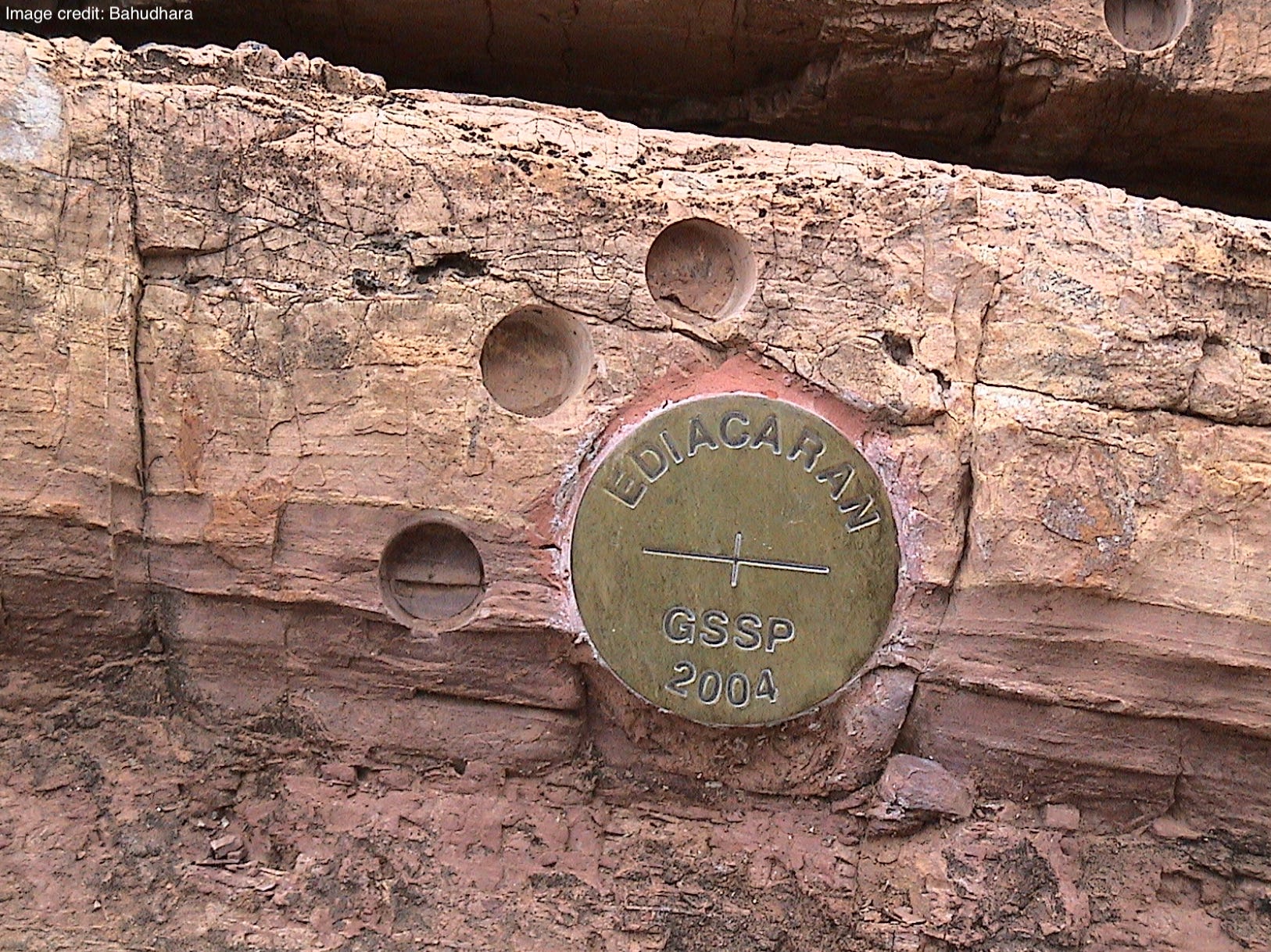
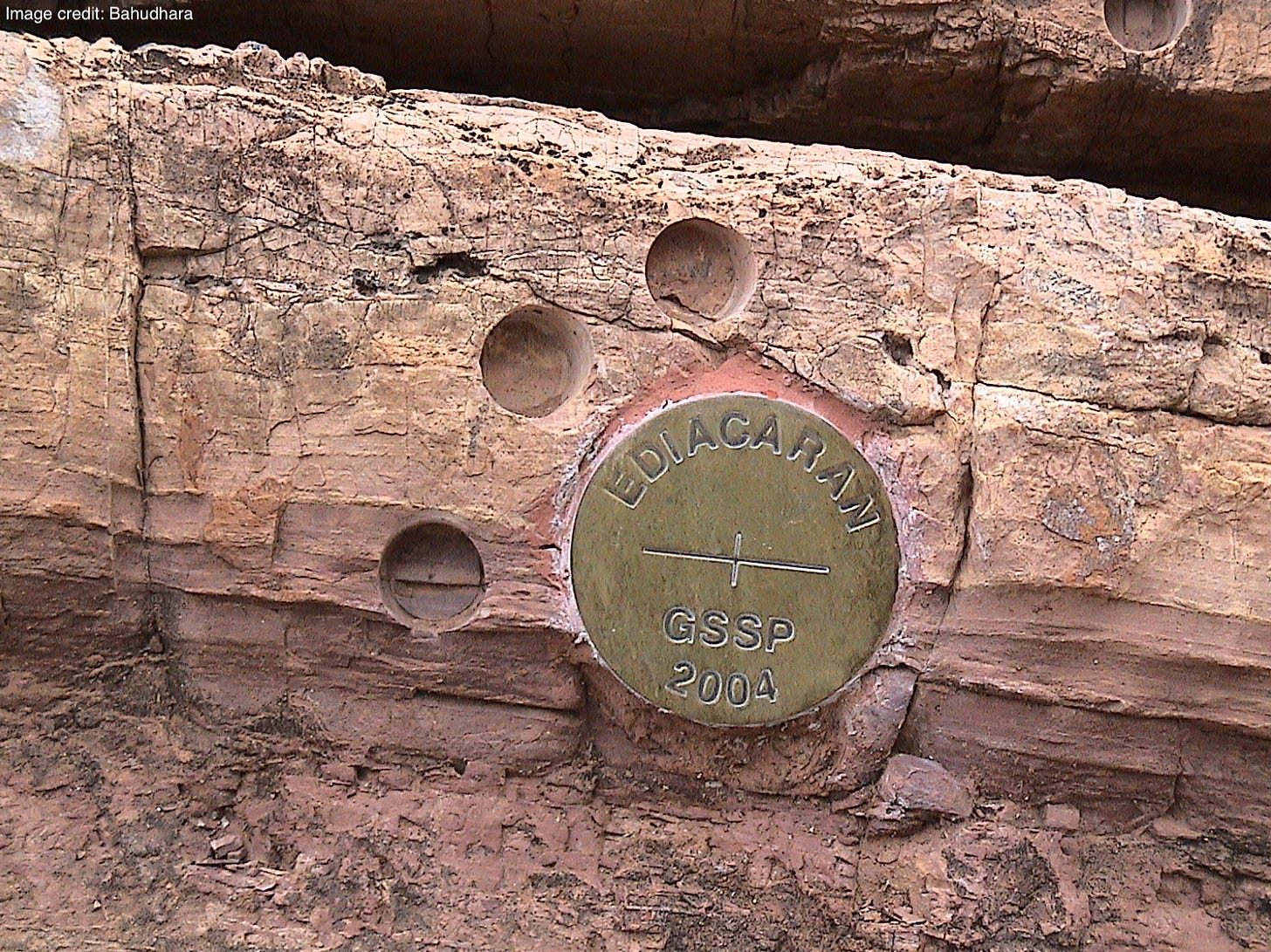
Give the shared name. From history, something called this is now on display at the Cantor Arts Center of Stanford University, where you can see that it was signed “Presented by David Hewes San Francisco,” as Hewes was the person who made this in 1869. In geology, this is the figurative name given to an actual reference point which, according to the International Union of Geological Sciences, defines the lower boundary of a stratigraphic section of geologic time. Shown below is one such example of this, found in Ediacara, South Australia, though in its instance it is made of bronze. What phrase?
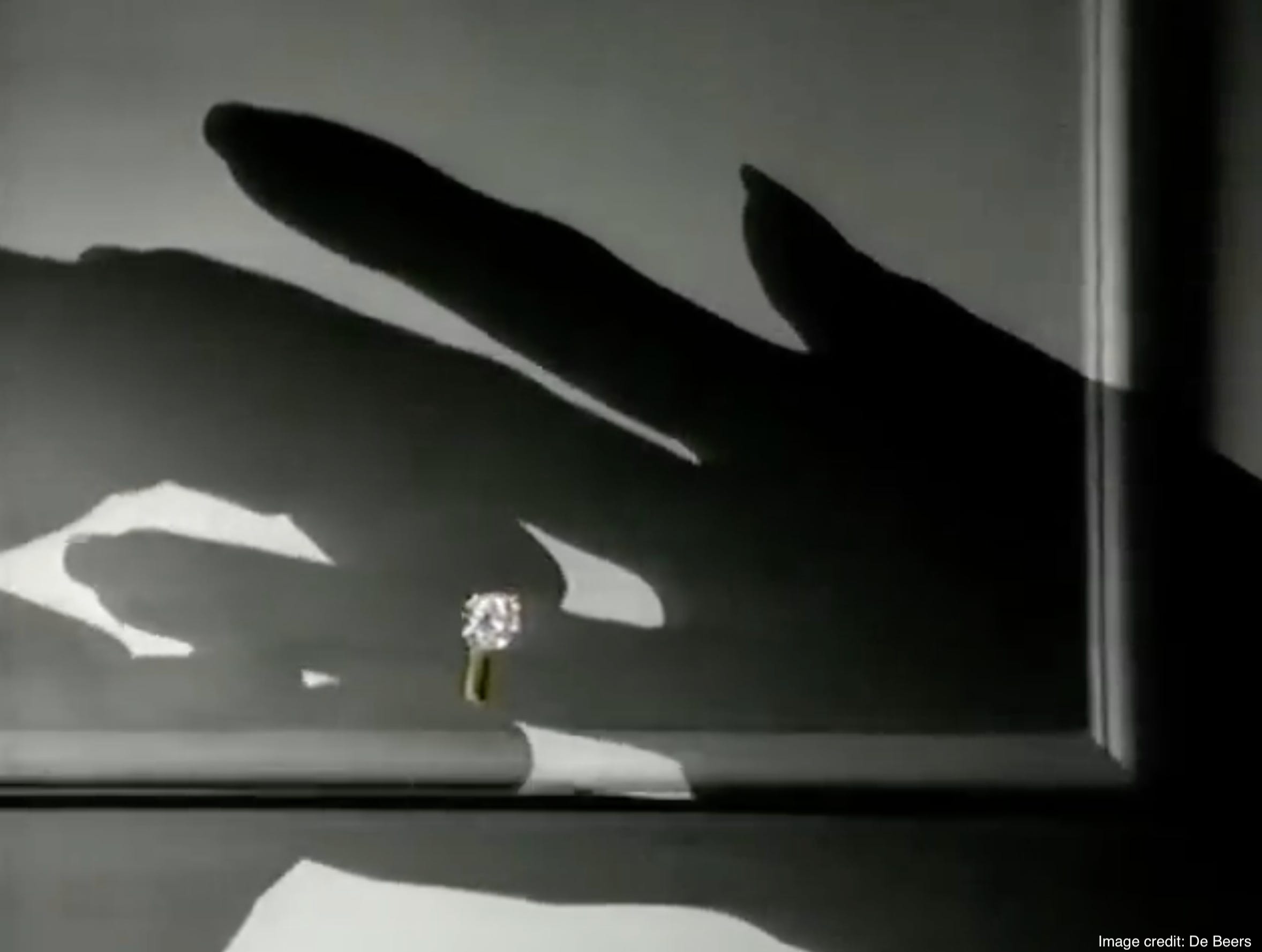
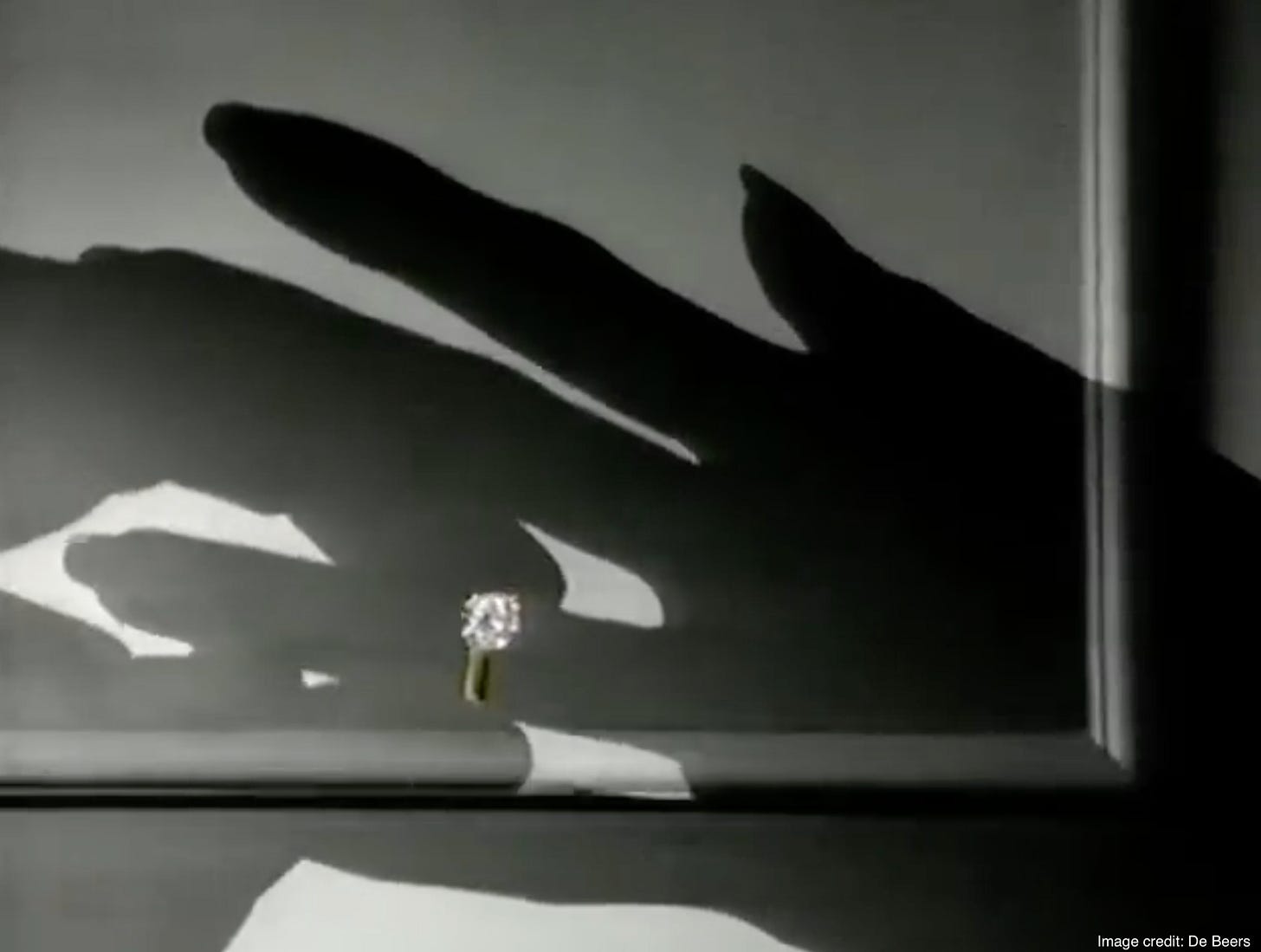
The attached clip is taken from a concerto grosso for strings quite modern in origin, having debuted in 1996. Even before its public debut, this piece had been snatched up by the De Beers Group, as they famously featured it in a series of commercials where silhouetted figures interacted, usually culminating in the male silhouette giving the female silhouette a diamond (image below). The composer of this piece had less flashy inspirations, as he wrote that he was inspired by the “mathematical harmony and architectural elements borrowed from classical antiquity” seen in the work of a particular architect, going on to name this piece in that man’s honor. Others inspired in a different way by that particular architect would include Claude Nicolas Ledoux, Inigo Jones, and Thomas Jefferson. What is the name of this piece, composed by Karl Jenkins?
The continent of Africa has not had much luck producing Grand Slam tennis champions. The only native-born person from Africa to win a Grand Slam singles title was Johan Kriek (mentioned here previously), who won the Australian Open in 1981 and ‘82 - and then promptly became an American citizen. Some similarities with that situation can be found with the case of what player, who won the French Open in 1951 and ‘52 and Wimbledon in 1954 as a citizen of Egypt, only to leave that country and become a citizen of the United Kingdom in 1959? Egyptians today might not be too possessive of this man’s legacy, as before those victories he had been a citizen of Czechoslovakia, having defected from that country to Egypt in 1949 because of increasing travel restrictions placed on him by the Communist regime.
The image below is from 1911. The gentleman featured is not soaking his limbs in icy water after an intense sporting competition, but instead undergoing what procedure? At the time, the participant had to soak both arms and their left leg in a saline solution that was attached to an apparatus that required six people to operate it. The three chosen extremities were positioned such that something called “Einthoven’s triangle” could be created and then viewed. In later years, this procedure became much more detailed, fortunately ditching the bath in the process.

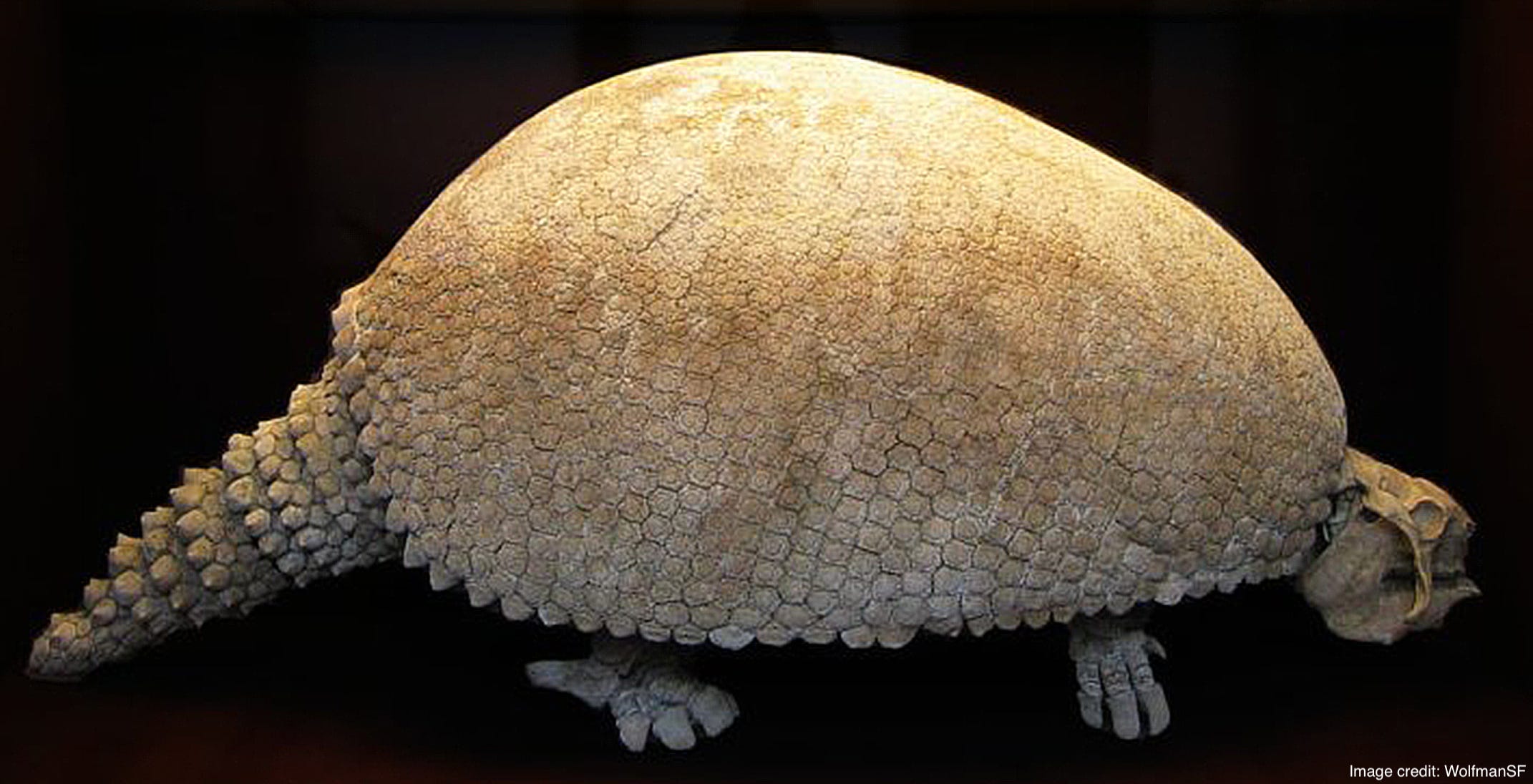
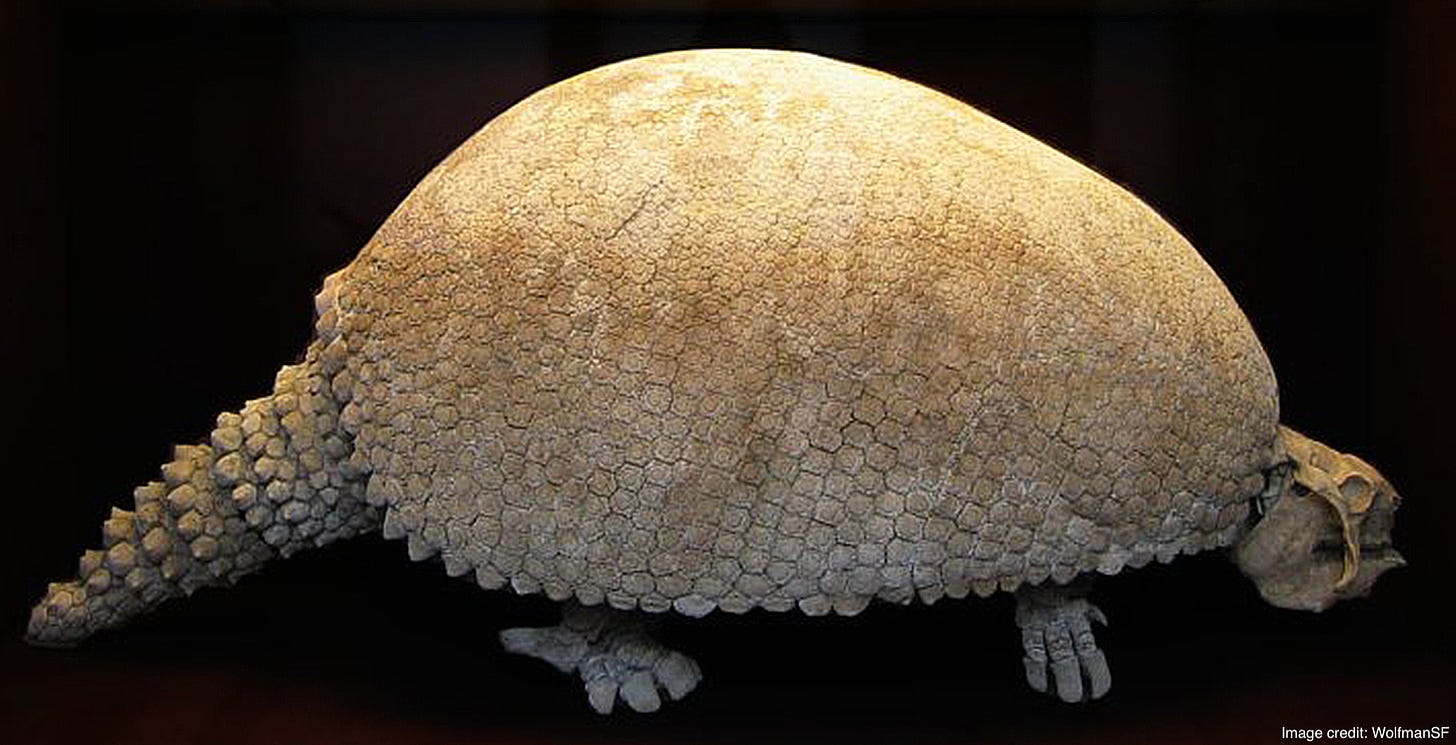
The shown creature gets its name from a less obvious feature that it has, and not that very obvious, impressive shell that covers not only the main portion of its body, but also its tale. This creature was the first fossil of its kind to be discovered, making it the first discovered cingulate, and thus an ancient predecessor to the modern-day armadillos. Being that first of its kind, it also lends its name to a larger clade of extinct, armadillo-like creatures. What is the genus name given to the animal shown?
This word loosely can be translated into English as meaning “fandom” or “clique,” but that does not convey the fullness of the commitment of such fandom, since arguably the word otaku could be translated that same way. What distinguishes this as a word is that members of this kind of clique engage in creative activity as well, with those who enjoy manga, as one example, publishing their own fan fiction, often gathering at conventions like Tokyo’s Comiket to trade and sell their work. What is this Japanese term for fans of a genre who self-publish the genre-based works that they create?
Penthrox is the trade name of methoxyflurane, a pain reliever sometimes called the green this. Minnie Riperton’s “Lovin’ You” is notable for how its bridge makes use of a technique that incorporates this word in its name. In Indian cooking, it is said that one unit called this is enough to cook rice, but cooking beans requires five or six of these. A hit song titled this asks a woman to “put your lips together / And you come real close,” while a book titled this finishes a thematic trilogy by James Jones that also included From Here to Eternity and The Thin Red Line. What is the shared word, which also can describe Silbo Gomero, an unusual language “spoke” in the Canary Islands?
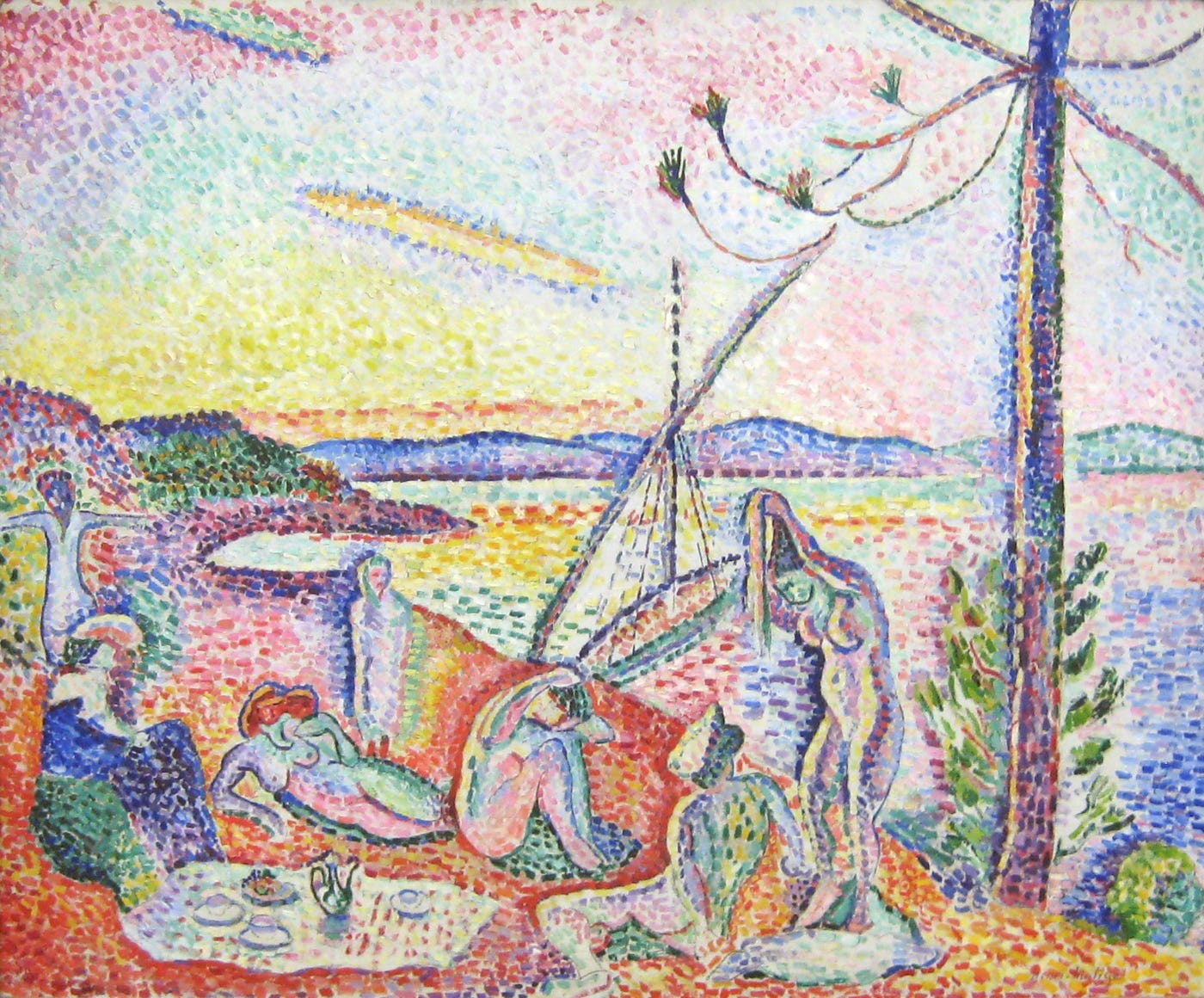
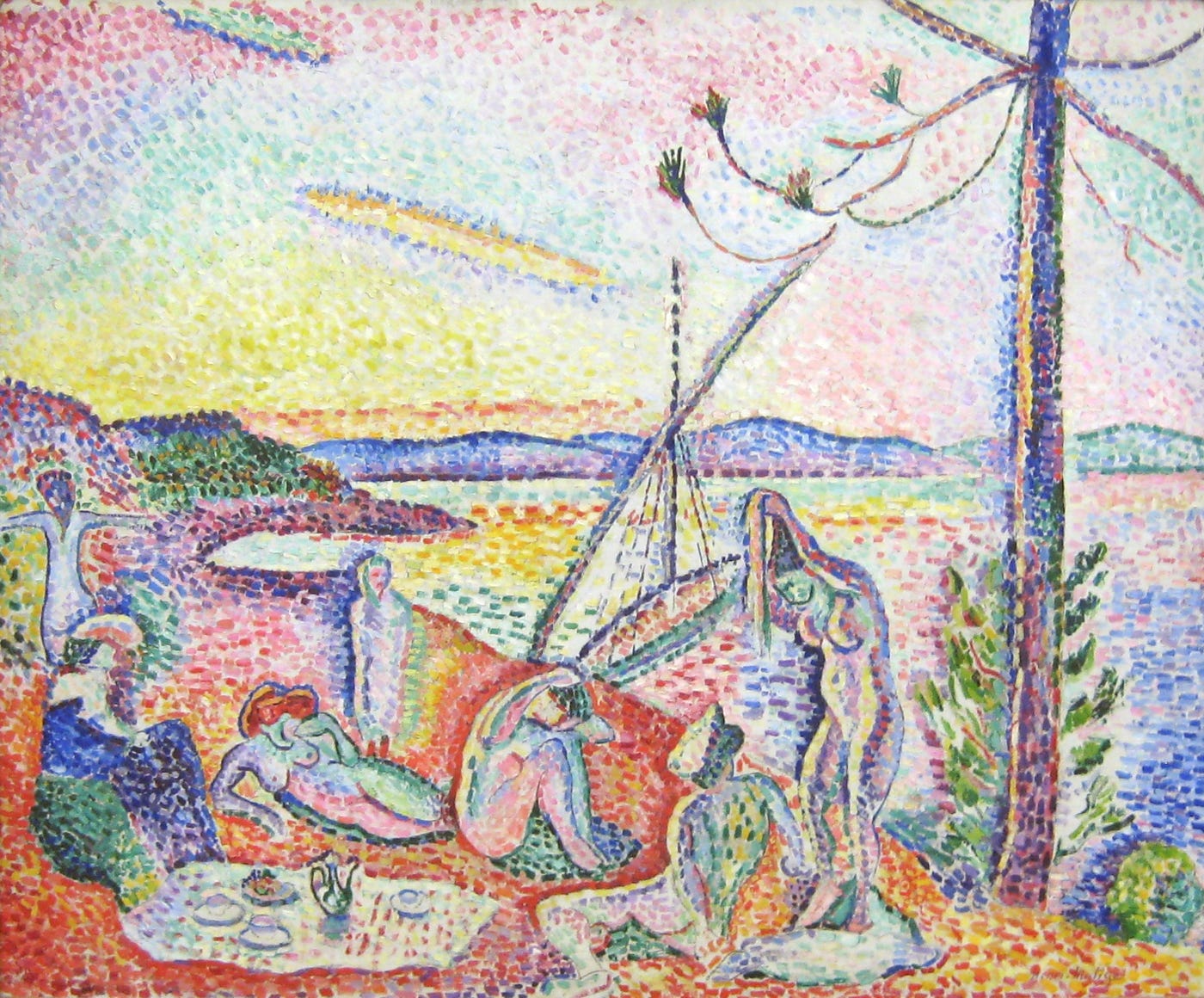
The shown painting takes its title from a line found in “L’Invitation au voyage,” part of Baudelaire’s Les Fleurs du mal. Its painter found additional inspiration working with Paul Signac, as he was visiting Signac at Saint-Tropez during the summer of 1904 when he conceived this work. While that painter started with a work that seems Pointillist in approach, his dots are more irregular, and the colors that he chose were meant to convey intense feeling, not a reality that he meant to depict, in the hope of conveying a sense of “luxury, peace, and pleasure.” What resulted is the first work now viewed as Fauvist, and an important break with paintings up to that point because of how this work so prioritized emotion. Today found at the Musée d’Orsay, what is this name (almost always rendered in French) of this 1904 work by Henri Matisse?
A particular men’s national football team has the nickname the “Lions of Teranga,” with teranga being not a place, but a concept. It is a word that, one writer learned, means “generosity of spirit and sharing of material possessions in all encounters – even with strangers,” with one example that she noted being how a planned dinner (below) always will have an extra plate ready, in case a guest happens to present. Roughly meaning “hospitality” in Wolof, in what country should you expect teranga if you happen to visit it?

Born with the unpromising name of Theophylact of Tusculum, this man was the relative of at least five previous popes, including his immediate predecessor John XIX. With that said, it seems to have been the bribery conducted by his father, and not outright nepotism, that explains how this man was elected to the Papacy at the unusually young age of twenty - which made this man probably the youngest person to be elected Pope. But he was not done setting records: it was not this man’s inexperience, but his scandalous behavior, that led to his deposition in 1044 - only for him to return for a second pontificate the following year. Feeling that his position was unstable, he then would resign that same year - only to return for a third pontificate two years later. Who was this man, the only person to hold the office of the Papacy more than once?